2026 Top Guide to Square Pipe for Global Buyers
In the ever-evolving landscape of construction materials, the demand for Square Pipe continues to rise. This versatile product offers exceptional strength while maintaining a lightweight profile. Global buyers now seek reliable suppliers and quality options to meet diverse project needs. Understanding the nuances of Square Pipe can empower buyers to make informed choices.
Navigating the global market for Square Pipe requires expertise. Buyers must assess construction standards, material specifications, and availability. Insights from industry professionals can illuminate the best practices for sourcing this essential material. However, the challenges remain. Fluctuating prices and inconsistent quality may complicate purchasing decisions.
Buyers need to reflect on their priorities. Is cost the main concern, or is quality more important? Striking a balance can lead to better project outcomes. Engaging with suppliers who prioritize transparency can foster reliable partnerships. Ultimately, this guide aims to equip readers with the knowledge needed to confidently navigate the Square Pipe marketplace.
Understanding Square Pipe Specifications and Standards for Global Trade
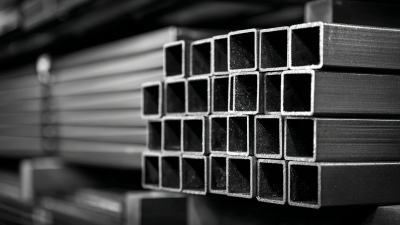
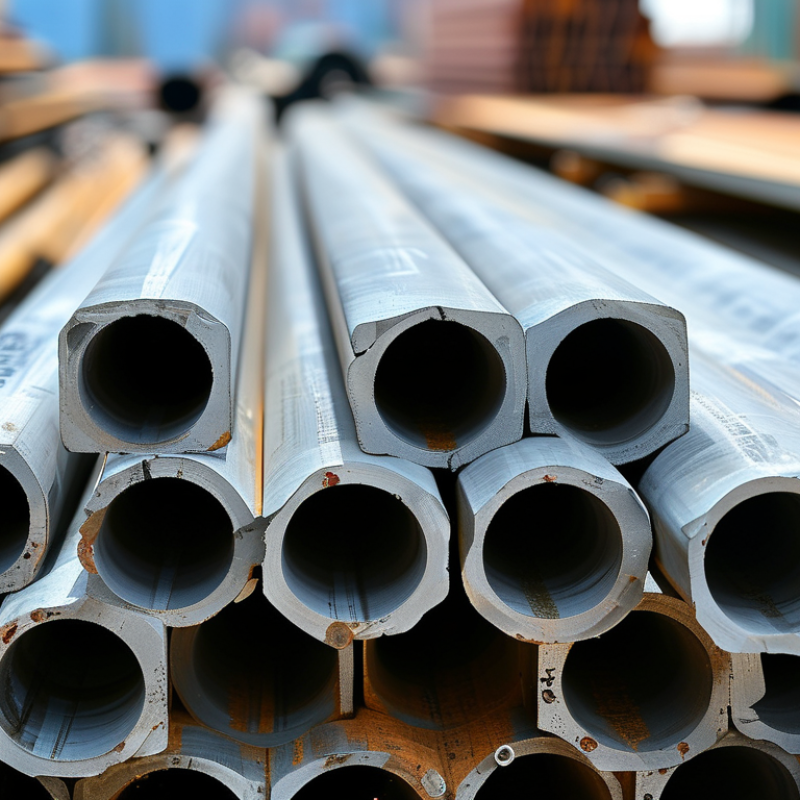
Understanding square pipe specifications is crucial for global buyers. These pipes come in various dimensions and thicknesses, usually defined by standards like ASTM and ISO. For instance, a typical square pipe could range from 20mm to 400mm in side length, with wall thickness varying between 1.5mm and 20mm. According to recent industry reports, the global square pipe market is expected to grow by 4.5% annually, driven by infrastructure projects across emerging economies.
Material properties play an essential role in selection. Most square pipes are produced from carbon steel, stainless steel, or aluminum. Each material has unique attributes that suit different applications. For example, carbon steel pipes are stronger but may corrode over time. On the other hand, aluminum pipes are lighter and resistant to corrosion but are often pricier. Buyers must understand these factors to make informed decisions.
Compliance with international standards is non-negotiable. Quality certifications such as ISO 9001 ensure that manufacturers meet stringent criteria. However, not all suppliers achieve these standards. Some may claim compliance without proper certifications. It poses risks in quality and safety. Buyers should verify supplier credentials thoroughly. Investing time in research can prevent costly missteps in procurement.
Key Materials Used in the Production of Square Pipes and Their Properties
The production of square pipes involves several key materials, each contributing unique properties to the final product.
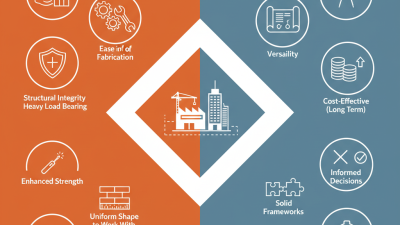
Steel is the most common material used for square pipes. Its high strength and durability make it ideal for structural applications.
Steel square pipes can withstand heavy loads and resist deformation, providing stability in construction projects.
Another important material is aluminum.
Aluminum square pipes are lightweight and corrosion-resistant. This makes them suitable for applications in environments exposed to moisture.
Their lightweight nature also facilitates easier handling and installation. Additionally, the aesthetic appeal of aluminum allows for versatile design options in various applications.
However, not all materials are perfect. Steel square pipes can be prone to rust if not properly coated. Similarly, aluminum may not provide the same structural integrity as steel under extreme conditions.
This highlights the importance of understanding the specific requirements of each project. Making informed material choices is crucial for achieving the desired strength and longevity of square pipes.
Market Trends: Demand and Supply of Square Pipes in 2026
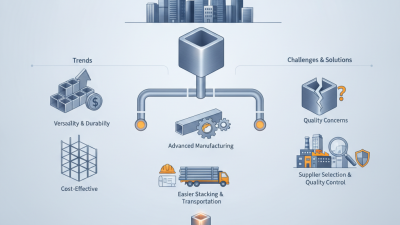
The demand for square pipes is projected to rise significantly in 2026. Industry reports indicate a 15% increase in global consumption. Emerging markets are driving this growth, particularly in Asia and Africa. Infrastructure development is a key factor. Countries are investing heavily in construction projects.
In terms of supply, the market faces challenges. Raw material prices remain volatile. This affects production costs. A recent report highlighted that steel prices surged by 12% in the last year. Manufacturers are adjusting their strategies to cope. Some are exploring alternative materials for cost efficiency.
Furthermore, sustainability is becoming central to manufacturing processes. Consumers demand eco-friendly products. The trend towards recycling raw materials is gaining momentum. However, many suppliers struggle to meet these expectations. Ensuring quality while being sustainable presents a complex challenge. Balancing demand and supply in this evolving market will require innovative approaches.
2026 Top Guide to Square Pipe for Global Buyers
| Region |
Demand (Metric Tonnes) |
Supply (Metric Tonnes) |
Market Growth Rate (%) |
Price per Tonne (USD) |
| North America |
150,000 |
135,000 |
3.5 |
850 |
| Europe |
200,000 |
190,000 |
4.1 |
930 |
| Asia-Pacific |
300,000 |
280,000 |
5.0 |
750 |
| Latin America |
100,000 |
95,000 |
2.8 |
800 |
| Middle East & Africa |
80,000 |
75,000 |
3.2 |
910 |
Comparative Analysis of Square Pipe Prices Across Different Regions
Square pipes are increasingly important in construction and manufacturing industries. Prices for these essential materials can vary significantly by region. For global buyers, understanding these differences is crucial. In Asia, prices tend to be lower due to high production rates. In contrast, European markets often face higher costs tied to stringent regulations and environmental standards.
Quality is often reflected in pricing. Countries with advanced tech tend to provide more reliable materials, which can justify a higher price tag. Comparing costs across regions can reveal gaps. Some suppliers may offer competitive rates but lack quality assurance. Buyers should always verify supplier credentials before making commitments.
When negotiating prices, consider shipping costs too. Transporting square pipes can influence overall expenses significantly. Regional tariffs also play a role. Research these factors thoroughly to avoid unforeseen costs.
Prices can fluctuate due to demand and material shortages. Staying updated on market trends helps buyers make informed decisions. Regularly revisiting your supplier choices is beneficial. Don't hesitate to renegotiate terms or seek better offers as market conditions evolve. Always prioritize quality alongside cost to ensure the longevity of your projects.
2026 Comparative Analysis of Square Pipe Prices Across Different Regions
Essential Considerations for Sourcing Square Pipes: Quality and Compliance
When sourcing square pipes, quality and compliance are paramount. Buyers need to inspect materials for durability and performance. Standards vary globally. Therefore, it's essential to verify certifications and align with local regulations. This process can be complex, yet it ensures reliability.
Manufacturers often provide certificates of compliance. However, not all claims hold true under scrutiny. Conducting independent testing can reveal discrepancies. It requires diligence but fosters trust between buyers and suppliers. Having a clear checklist during the evaluation process can help in maintaining focus.
Understanding the differences in manufacturing processes also matters. Some methods may yield stronger materials than others. It can be challenging to navigate certifications and quality claims. Collaborating with industry experts can mitigate this risk. Engaging with experienced professionals may lead to better sourcing decisions. Quality assurance should never be compromised, even if it means sacrificing immediate cost savings.