How to Choose the Right Carbon Pipe for Your Needs?
When it comes to selecting the right Carbon Pipe, expertise matters. Renowned industry expert Dr. Emily Thompson notes, "Choosing the correct Carbon Pipe can dramatically impact your project's success." The right choice ensures durability, strength, and efficiency. With various types on the market, understanding their specific applications is essential.
Carbon P pipes are used in diverse applications, from construction to manufacturing. They vary in composition, size, and thickness. Each type serves different needs and environments. It’s crucial to assess your requirements carefully. Sometimes, the obvious choice may not be the best for your project.
While expert recommendations abound, personal experience plays a vital role. Users often find that their initial decisions were not optimal. It's a learning process. Reflecting on past choices can help refine your approach. In the end, confidently selecting the right Carbon Pipe hinges on balancing expert knowledge and personal insight.
Understanding the Basics of Carbon Pipes and Their Applications
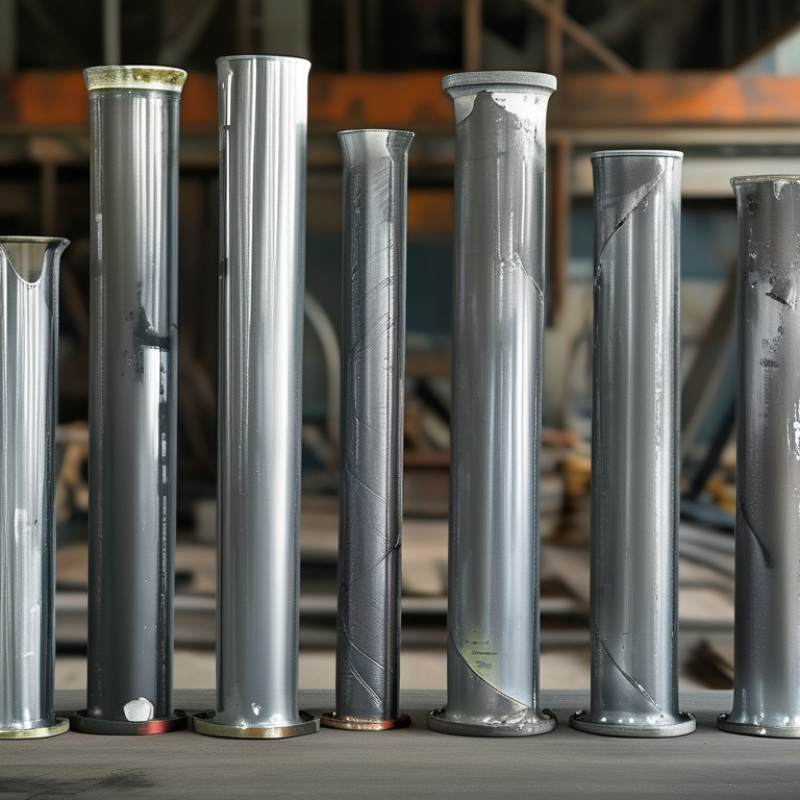
Carbon pipes are widely used in various industries due to their strength and versatility. These pipes are typically made from carbon steel, which provides excellent durability and resistance to wear. Understanding the different types of carbon pipes is essential for selecting the right one for your needs. There are seamless and welded options, each with distinct properties and applications. Seamless pipes are known for their structural integrity, making them suitable for high-pressure environments. Welded pipes are more affordable and easier to produce, but may not perform as well under extreme conditions.
In addition to construction, carbon pipes find applications in oil and gas, automotive, and aerospace industries. Their ability to withstand high temperatures makes them ideal for heavy-duty applications. However, the choice of carbon pipe should not solely depend on these factors. Users must consider corrosion resistance, thickness, and pressure ratings. Choosing a pipe that is too thin can lead to failures. On the other hand, overspecifying can result in unnecessary costs. Understanding the balance between specifications and requirements is crucial for making an informed decision.
How to Choose the Right Carbon Pipe for Your Needs?
| Application |
Carbon Pipe Type |
Diameter (mm) |
Wall Thickness (mm) |
Standard |
| Construction |
Carbon Steel Pipe |
50 |
5 |
ASTM A53 |
| Oil & Gas |
API 5L Pipe |
60 |
7 |
API 5L |
| Water Supply |
Cement Lined Pipe |
25 |
4 |
AWWA C200 |
| Industrial |
Seamless Pipe |
32 |
3 |
ASTM A106 |
Identifying Your Specific Needs and Requirements for Carbon Pipes
When selecting a carbon pipe, it's crucial to understand your specific needs. Industry reports indicate that over 40% of pipeline failures result from improper material selection. Knowing the operating environment, pressure requirements, and temperature ranges is vital.
Carbon pipes serve various applications, from structural support to fluid transport.
The carbon content and alloying elements significantly affect a pipe’s strength and durability. Higher carbon content usually enhances strength but may reduce weldability. Research suggests that for high-stress applications, a tensile strength rating of at least 60,000 PSI is often recommended.
Consider the impact of external factors, such as corrosion risks and environmental conditions. For example, pipes exposed to acidic substances may require additional protection. Reflecting on your needs can help prevent costly failures. Knowing these details can be the difference between efficiency and disaster.
Comparing Different Types of Carbon Pipes and Their Features
When selecting carbon pipes, understanding their types is crucial. Carbon pipes vary significantly in design and application. For instance, seamless carbon pipes are preferred in industries where strength is a priority. They lack welds, reducing the risk of failures. On the other hand, welded carbon pipes are often used for lower-pressure applications, offering cost savings.
Another aspect to consider is the material grade. Depending on the environment, you may require pipes that resist corrosion or high temperatures. Different carbon grades also affect durability and performance. It’s vital to assess your specific needs against these characteristics to make the best choice.
Tips: Think about the pressure and temperature conditions in your application. These factors can greatly influence your choice. Don’t hesitate to consult with industry experts. They can provide insights that may reveal aspects you hadn’t considered. Remember to review your decisions periodically. Sometimes what seemed ideal may not hold up in the long run.
Evaluating Quality Standards and Certifications for Carbon Pipes
When selecting carbon pipes, understanding quality standards and certifications is crucial. Different industries require specific grades of carbon steel, which adhere to distinct standards. Key certifications include ASTM, ISO, and API, ensuring the materials are fit for purpose. Each standard defines properties like tensile strength and corrosion resistance, impacting durability and performance.
Evaluating certifications involves understanding what they truly represent. Not all certificates guarantee the same level of quality. Sometimes, manufacturers may claim adherence to standards without thorough testing. This could present risks in applications where reliability is paramount. It’s essential to verify not only the presence of a certification but also its relevance to your specific needs.
Attention to sourcing can make a significant difference. Often, low-cost options may lack rigorous quality assurance. While these pipes can be appealing, hidden costs may arise from performance issues or failures over time. Therefore, taking time to assess the authenticity of certifications and the integrity of suppliers can lead to better, more reliable choices.
Carbon Pipe Quality Standards Comparison
This chart compares various quality standards for carbon pipes based on their overall performance ratings. The standards evaluated include ASTM A106, ASTM A53, and API 5L.
Cost Considerations and Budgeting for Your Carbon Pipe Selection
When selecting a carbon pipe, budgeting plays a crucial role. The initial price tag is often just the beginning. You need to account for installation costs, maintenance, and potential replacements. Quality materials may cost more upfront but could save you in the long run. It's essential to research and compare prices. Seek advice from experts when necessary.
Consider the specific requirements for your project. The diameter, schedule, and length of the pipe can significantly affect your budget. For instance, larger pipes typically entail higher costs. However, going too small may lead to inefficiencies and more expenses down the line. Create a flexible budget that allows for unexpected changes or additional needs.
Don’t overlook the importance of material quality. Lower-priced options might seem attractive but can bring long-term problems. The durability of the carbon pipe impacts overall project costs significantly. Sometimes, spending a little more on a reliable product can lead to better outcomes. Weigh these factors carefully, and consider seeking multiple quotes to find the best solution.