What are the Key Advantages of Cold Rolled Sheet in Industry?
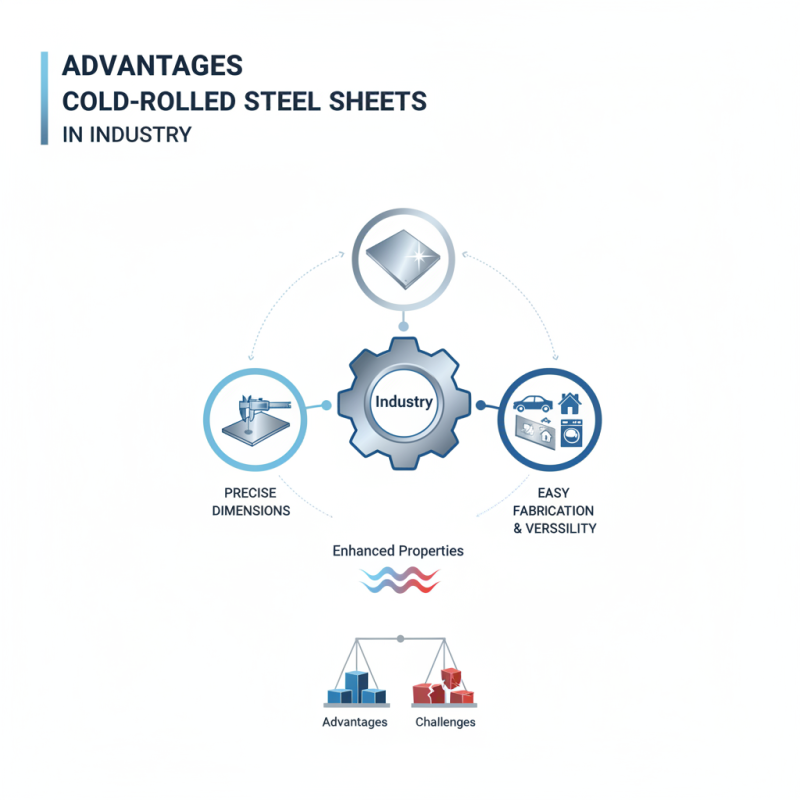
Cold Rolled Sheet is a significant material in various industrial applications. This steel processing method enhances its properties, making it a preferred choice. Industries rely on Cold Rolled Sheet for its precise dimensions and superior surface finish.
The production process involves rolling the steel at room temperature. This technique increases strength and improves surface quality. Additionally, Cold Rolled Sheet can be easily fabricated into various shapes. It is used in automotive, construction, and appliances, showcasing its versatility.
However, challenges exist. The costs can be higher compared to hot-rolled alternatives. Also, its brittleness may pose problems in specific applications. Despite these issues, the advantages often outweigh the drawbacks, solidifying Cold Rolled Sheet's vital role in modern industry.
Key Features of Cold Rolled Sheet in Industrial Applications
Cold rolled sheets are pivotal in various industrial applications due to their unique properties. One significant feature is their superior surface finish. This quality enhances aesthetics and allows for easier painting and coating. The surface is smoother compared to hot rolled sheets, which contributes to corrosion resistance.
Another essential characteristic is the dimensional accuracy. Cold rolled sheets maintain tighter tolerances, making them ideal for applications requiring precision. According to a report from the International Journal of Engineering Research, cold rolled sheets can achieve thickness tolerances of +/− 0.01 mm. This precision is crucial in industries like automotive and electronics, where small margins can significantly impact performance.
However, using cold rolled sheets presents challenges. Their increased hardness can lead to difficulties in bending and welding. This aspect requires careful consideration in design processes. Moreover, the production process is energy-intensive, which raises sustainability concerns. Industry reports highlight the need for balancing performance benefits with environmental impact to ensure responsible sourcing and application.
What are the Key Advantages of Cold Rolled Sheet in Industry?
| Feature |
Description |
Benefits |
| Enhanced Surface Finish |
Cold rolled sheets have a smooth and fine surface finish. |
Improves aesthetic appeal and reduces need for additional finishing. |
| Tighter Tolerances |
Cold rolling allows for tighter dimensional tolerances compared to hot rolled sheets. |
Increases precision in manufacturing and reduces waste. |
| High Strength |
Cold rolled sheets exhibit increased strength due to work hardening. |
Enhances durability and load-bearing capacity in various applications. |
| Better Formability |
Allows for better shaping and forming in manufacturing processes. |
Facilitates complex designs and shapes in components. |
| Corrosion Resistance |
Can be treated with coatings to enhance corrosion resistance. |
Extends lifecycle of products used in harsh environments. |
Superior Surface Finish of Cold Rolled Sheets
Cold rolled sheets are known for their superior surface finish, which sets them apart in various industries. The finish of these sheets is smooth and free from imperfections. This quality is achieved through precise manufacturing methods and post-processing techniques. According to industry reports, cold rolled sheets can achieve a surface roughness value of Ra 0.1 micrometers, making them ideal for applications that require aesthetics and functionality.
The enhanced surface quality of cold rolled sheets also allows for better coating adhesion. This is critical in sectors like automotive and construction, where durability is paramount. In fact, research indicates that components coated on cold rolled sheets exhibit a 30% longer lifespan due to improved paint adherence. Furthermore, the clean, polished surface contributes to a modern appearance, appealing to designers and manufacturers alike.
However, achieving this finish is not without challenges. The process can be more energy-intensive compared to hot rolling. Additionally, inconsistencies can arise if the materials are not properly handled during processing. While the benefits are significant, it's essential for manufacturers to be aware of the potential downsides and continuously refine their techniques.
Enhanced Mechanical Properties of Cold Rolled Steel
Cold rolled steel has become a vital material in various industries due to its enhanced mechanical properties. One of the most notable advantages is its superior strength. The cold rolling process effectively refines the grain structure of the steel, making it more robust and durable. This means that cold rolled sheets can withstand higher loads compared to their hot-rolled counterparts. However, this increase in strength can sometimes lead to challenges during forming and welding.
Another key property of cold rolled steel is its excellent surface finish. The smooth, clean surface often requires minimal additional processing. This quality can be crucial in applications that demand a good aesthetic appearance. However, if the surface is not properly treated or protected, it may be susceptible to corrosion. Industries must carefully assess their operational environment to ensure the longevity of the product.
Moreover, the dimensional accuracy offered by cold rolled sheets is impressive. The tighter tolerances enable manufacturers to achieve precise fits and improved assembly efficiency. Yet, achieving such accuracy requires advanced machinery and skilled operators. This dependency on technology and expertise may present a barrier for some smaller operations. Balancing quality and cost is a continuous struggle in the industry.
Key Advantages of Cold Rolled Sheet in Industry
Cost Efficiency and Material Savings with Cold Rolled Sheets
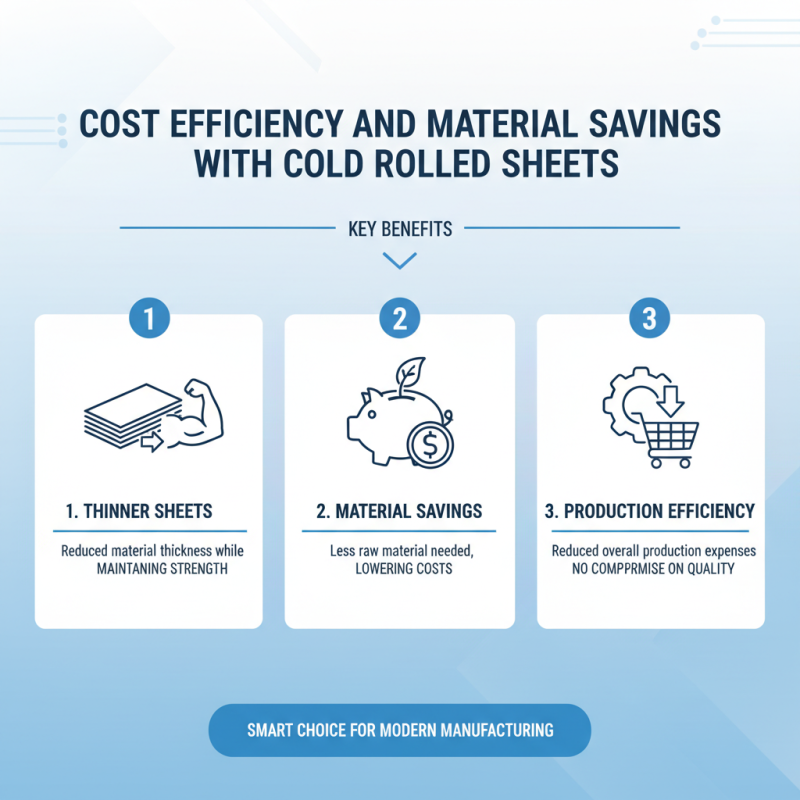
Cold rolled sheets are increasingly popular in various industries. One of their main advantages is cost efficiency. Manufacturers can produce these sheets with thinner dimensions while maintaining strength. This leads to material savings, which helps reduce overall production costs. Using cold rolled sheets can lower expenses without compromising quality.
Moreover, cold rolled sheets offer excellent dimensional accuracy. This feature minimizes waste during fabrication and machining. The precise measurements ensure that parts fit together perfectly, reducing the need for adjustments. However, achieving the ideal thickness can sometimes be challenging. Manufacturers must carefully monitor processes to avoid excess material use.
Another advantage is the improved surface finish. Cold rolled sheets have a smooth surface, which often requires less post-processing. This can save time and resources in manufacturing. However, companies should weigh these benefits against the initial investment in cold rolling equipment. Balancing cost with performance remains crucial for manufacturers.
Versatile Applications of Cold Rolled Sheets Across Industries
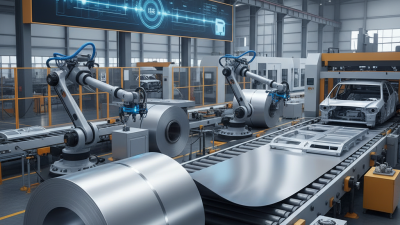
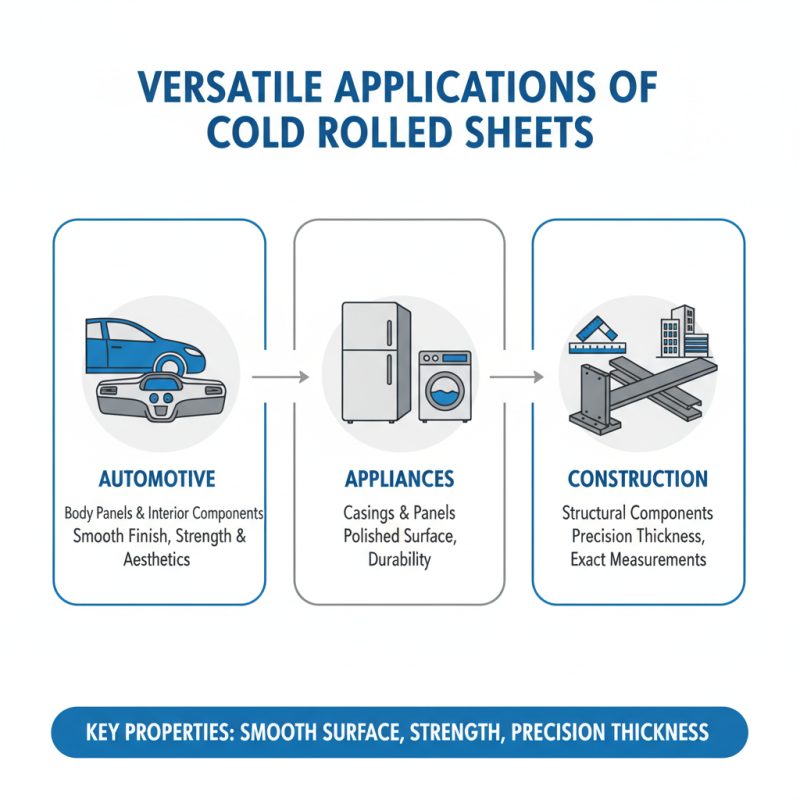
Cold rolled sheets have become integral in various industries due to their unique properties. Their smooth surface finish is ideal for applications requiring aesthetic appeal, such as automotive and appliances. These sheets are often used in making body panels and interior components, where both strength and beauty matter. The precision of the thickness enhances their usability in industries like construction, where exact measurements are crucial.
In the electronics sector, cold rolled sheets serve various purposes, such as in housing and structural components. They provide excellent conductivity, making them suitable for electrical applications. Additionally, these sheets are lightweight, which is a significant advantage in industries like aerospace. However, their flexibility can be a double-edged sword. While it allows for complex shapes, it may lead to production challenges in achieving uniformity.
Cold rolled sheets also find applications in furniture design, where strength meets elegance. Their durable nature is appealing for both residential and commercial settings. Yet, industries must be cautious about how they manage these materials. Scratches and dents can occur during handling, affecting the final product's quality. This highlights a need for careful processes and staff training in handling materials.