What is Galvanized Pipe and Why is it Important?
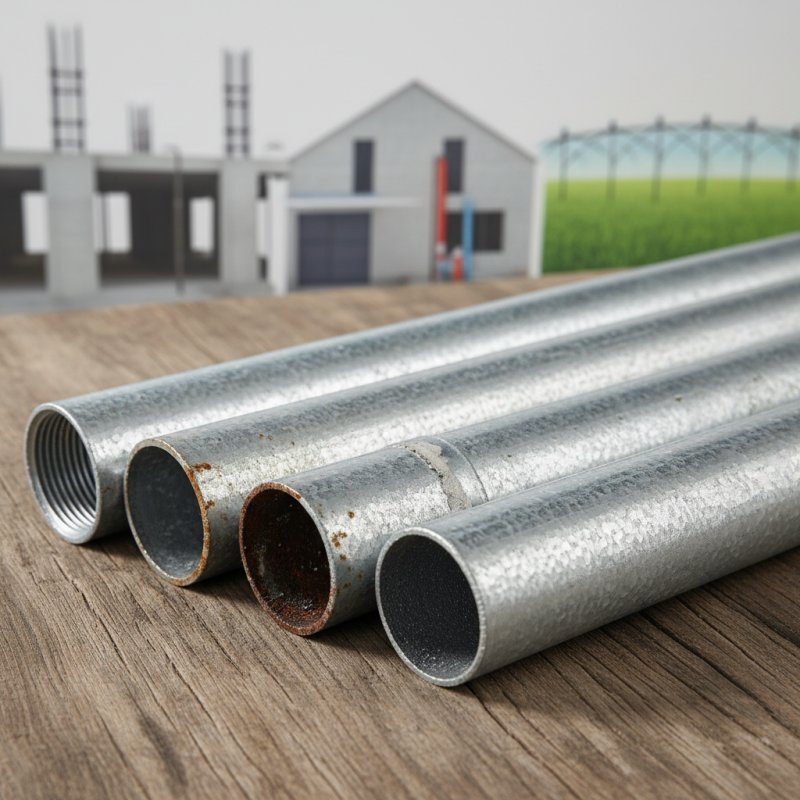
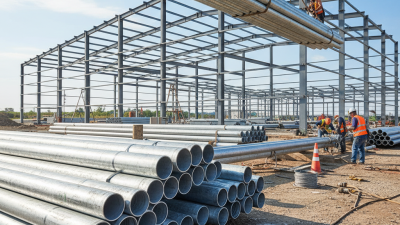
Galvanized Pipe plays a crucial role in various industries. Its unique coating protects against corrosion and extends its lifespan. This pipe type is commonly used in plumbing, construction, and irrigation systems.
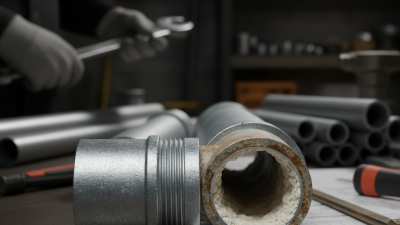
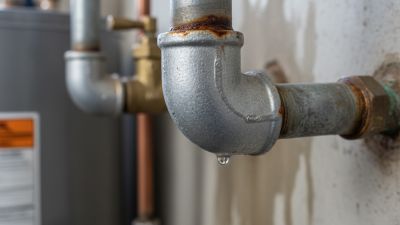
Galvanized Pipe consists of steel coated with zinc. This coating provides durability and resistance to rust. Many older buildings still rely on this type of piping. However, it can encounter issues over time. Sediment buildup and corrosion may lead to clogs. Such problems raise concerns about water quality and flow efficiency.
Understanding Galvanized Pipe is vital for homeowners and professionals alike. Knowing the benefits and potential drawbacks fosters informed decisions. Regular inspections can enhance its reliability. Awareness of these factors promotes better maintenance and longevity for piping systems.
Understanding Galvanized Pipe: Definition and Composition
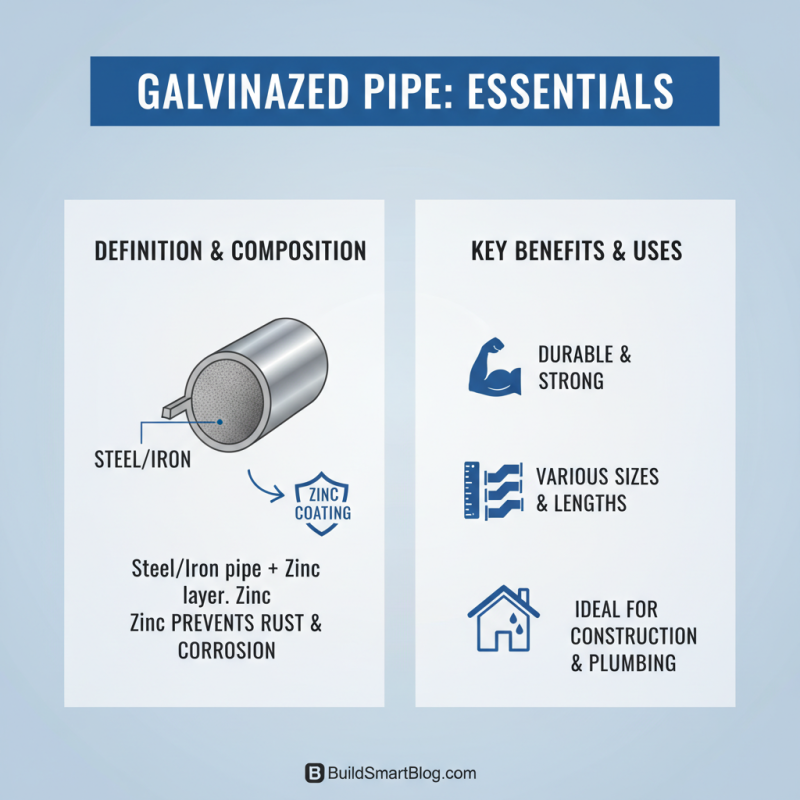
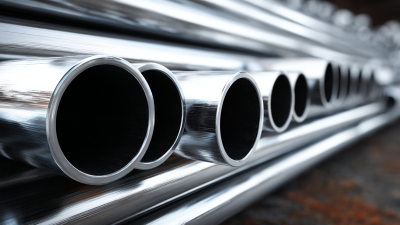
Galvanized pipe is a crucial construction material. It consists of steel or iron coated with zinc. This zinc layer prevents rust and corrosion. The composition is essential as it enhances the pipe's durability. Generally, galvanized pipes come in various sizes and lengths. They are lightweight yet strong, making them ideal for different applications.
One notable advantage is the zinc coating's longevity. It typically lasts 30 years or more, depending on the environment. However, there are concerns about its use in drinking water systems. Over time, the galvanized layer can wear off. This deterioration may lead to potential contamination. Homeowners should consider this when choosing materials for plumbing.
The manufacturing process of galvanized pipes involves hot-dip or electro-galvanizing. Both methods ensure effective protection against moisture. Nevertheless, improper installation can lead to leaks. This needs careful consideration during projects. Understanding the importance of galvanized pipes is vital for anyone in the construction industry. Proper knowledge helps in making informed decisions.
Historical Development of Galvanized Pipe in Construction
Galvanized pipe, a staple in construction, has evolved significantly since its inception. Originally developed in the 19th century, this pipe was coated with zinc to prevent rusting. In an industry where durability is key, galvanized pipes have been instrumental for water supply and drainage systems. According to the American Society of Civil Engineers, approximately 70% of urban water systems in the U.S. still utilize galvanized pipes.
However, as the material ages, corrosion can become a concern. Studies indicate that galvanized pipes can last 30 to 50 years, depending on conditions. When these pipes corrode, lead contamination can occur, raising health risks for communities. It's essential to consider these factors when using galvanized pipes in modern developments.
**Tip:** Regular inspection can help identify early signs of corrosion. Home and building owners should look for discoloration or leaks.
Innovation is crucial. While galvanized pipes offer advantages, newer materials like PEX and CPVC have emerged. These alternatives are often lighter, easier to install, and resistant to corrosion. Yet, the historical significance of galvanized pipes is undeniable. They laid the groundwork for robust plumbing systems.
**Tip:** If you live in an older home, consider testing your water for contaminants. The benefits of replacing galvanized pipes can outweigh the upfront costs.
What is Galvanized Pipe and Why is it Important? - Historical Development of Galvanized Pipe in Construction
| Year |
Key Development |
Impact on Construction |
Usage Context |
| 1837 |
Introduction of Galvanization |
Increased durability of pipes |
Water supply systems |
| 1940s |
Use in WWII for military applications |
Proved effectiveness in harsh environments |
Military and industrial usage |
| 1970s |
Adoption in residential plumbing |
Widespread acceptance for home use |
Residential plumbing systems |
| 2000s |
Innovation in galvanization techniques |
Enhanced corrosion resistance |
Infrastructure and utility projects |
| 2020s |
Focus on sustainability and recycling |
Improved environmental impact |
Green building initiatives |
Key Benefits of Using Galvanized Pipe in Plumbing Applications
Galvanized pipe is steel pipe with a protective zinc coating. This process helps prevent rust and corrosion. It extends the life of the pipe significantly. For plumbing applications, utilizing galvanized pipes offers several key benefits.
First, galvanized pipes are highly durable. They withstand high pressure and adverse weather conditions. This robustness makes them suitable for both indoor and outdoor plumbing. Many homeowners appreciate their longevity. However, improper installation can lead to leaks and additional repairs.
Another benefit is their resistance to rust. With a zinc coating, these pipes can last over 50 years when correctly maintained. Moreover, they do not impart a metallic taste to drinking water, a common issue with some materials. Still, older galvanized pipes might accumulate mineral deposits over time. Homeowners should monitor for reduced water flow. Regular checks can prevent future plumbing challenges.
Benefits of Using Galvanized Pipe in Plumbing Applications
Industry Standards and Certifications for Galvanized Pipe Quality
Galvanized pipes are coated with a protective zinc layer to prevent rust. Their quality depends heavily on meeting strict industry standards. These standards regulate the thickness of zinc coating, the pipe’s mechanical strength, and corrosion resistance. Pipes that meet such criteria ensure safety and durability in various applications like construction and plumbing.
Certifications play a crucial role in verifying that galvanized pipes comply with these standards. Common certifications come from reputable organizations setting benchmarks for quality control. When pipes are certified, users can trust their longevity and performance under harsh conditions. However, not all certified pipes perform identically; factors like manufacturing processes still cause variations.
While standards exist, actual field performance can vary. Installation environment and maintenance greatly influence pipe lifespan. This indicates a need for ongoing assessment beyond just certification. Hence, relying solely on certificates might not be enough to guarantee pipe quality over time. Users should combine certification checks with practical inspections to ensure reliability.
Environmental Considerations and Longevity of Galvanized Pipe
Galvanized pipe is notable for its protective zinc coating, which offers resistance against rust and corrosion. This property is particularly important for water supply systems. The longevity of galvanized pipes makes them a preferred choice in various applications. However, environmental considerations must be addressed.
Though galvanized pipes can last for decades, their production process involves energy and raw material consumption. The mining of zinc and steel can lead to habitat destruction and pollution. Furthermore, the eventual disposal of these pipes can pose risks if not properly managed. While they are durable, this durability comes at an environmental cost that sometimes goes unnoticed.
As society pushes towards sustainability, the focus on alternatives is growing. Innovating in material science could provide better options. Understanding the full life cycle of galvanized pipes sheds light on their impact. The balance between durability and environmental sustainability remains a critical discussion point.