How to Choose the Right Stainless Steel Pipe for Your Project?
Choosing the right Stainless Steel Pipe for your project can be challenging. There are various factors to consider, and your choice significantly impacts performance and durability. Stainless Steel Pipes are popular due to their strength, corrosion resistance, and aesthetic appeal. However, not all pipes are created equal.
Understanding the specific requirements of your project is crucial. Will it be subject to high pressure or extreme temperatures? The grade of stainless steel you select matters. Different grades offer distinct properties. Also, consider the pipe size and wall thickness. They affect the flow rate and overall effectiveness.
Reflecting on choices can be daunting. You may find yourself overwhelmed by options. Take the time to reassess your needs. A well-informed decision can save time and costs in the long run. Investing in the right Stainless Steel Pipe can enhance your project's success significantly.
Types of Stainless Steel Pipes and Their Applications
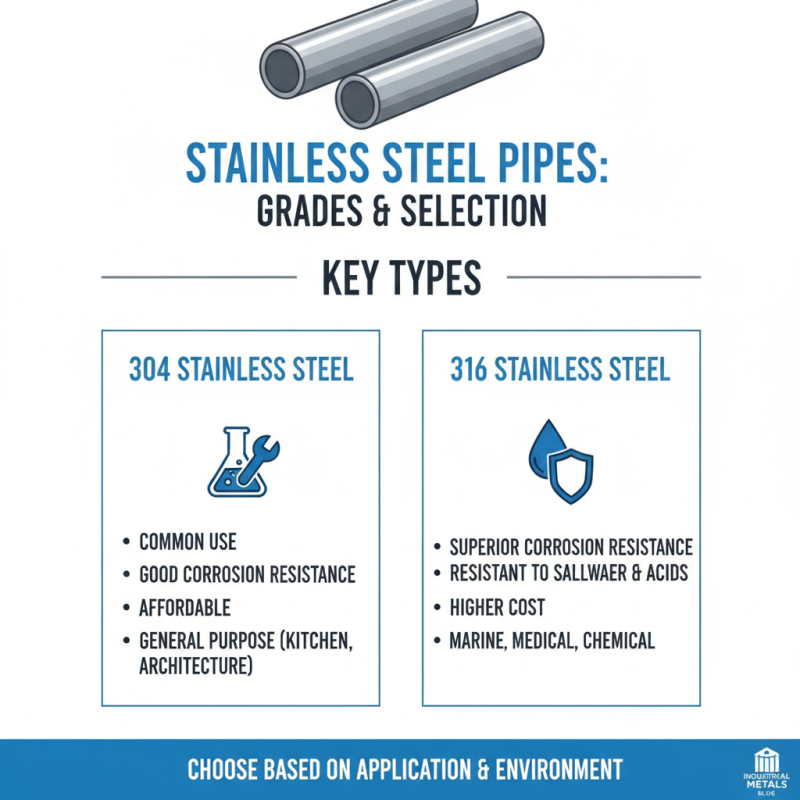
When selecting stainless steel pipes, understanding the types available is crucial. There are several grades, each with its unique properties. The most common types include 304 and 316 stainless steel pipes.
The 304 pipes are versatile and often used in plumbing and structural applications. They are resistant to oxidation but less effective in extreme conditions. On the other hand, 316 pipes contain molybdenum, enhancing their resistance to corrosion. This makes them suitable for marine and chemical applications. Choosing the right one isn't always straightforward.
Consider the environment where the pipes will be used. High humidity or exposure to harsh chemicals can influence your decision. It’s easy to overlook these factors. While 304 may be cheaper, 316 could save money over time due to its durability. Not every project requires high-grade material. Sometimes, cost-effectiveness trumps all. But remember; a wrong choice can lead to expensive repairs.
Key Factors to Consider When Selecting Stainless Steel Pipes
Choosing the right stainless steel pipe can be challenging. Several key factors influence your selection process. First, consider the grade of stainless steel. Different grades offer varying levels of corrosion resistance, strength, and durability. For example, 304 stainless steel is versatile and widely used, but it may not be suitable for high-stress environments.
Next, think about the pipe's diameter and wall thickness. These dimensions affect the pipe's overall strength and flow capacity. A smaller diameter may suffice for low-pressure applications. However, larger pipes are essential for high-flow situations. It's crucial to balance size with the specific requirements of your project. You might find that what works for one project doesn't fit another.
Don't overlook the application environment. Pipes exposed to extreme temperatures or harsh chemicals require careful consideration. Some stainless steel pipes may not perform well under such conditions. It's worth noting that installation methods can also impact long-term performance. Improper installation can lead to leaks or failures. Reflecting on these factors can help you make a more informed decision.
Understanding the Different Grades of Stainless Steel
When selecting the right stainless steel pipe for your project, understanding the different grades of stainless steel is crucial. Stainless steel comes in various grades, each designed for specific applications. Common grades include 304 and 316, which offer excellent corrosion resistance. A report by industry analysts highlights that 304 stainless steel is widely used due to its flexibility and balance of strength and corrosion resistance.
Grade 316 is often preferred in marine environments. It provides higher resistance to saltwater and chemicals. However, it is generally more expensive than 304. The choice largely depends on the working conditions and the potential exposure to corrosive elements. A mistake in selecting the grade could lead to premature failure.
Tips: Always consider budget constraints. The cost difference between grades can be significant, with 316 being 20-30% higher. Choosing the correct grade not only affects durability but also overall project costs.
In terms of manufacturing, ensure to check the specifications of pipes. Not all pipes with the same grade will have identical properties. Certification documents usually provide insight but can be confusing. Always clarify with suppliers on grade specifications to avoid misalignment between expectations and reality.
Stainless Steel Pipe Grades Comparison
Assessing Pipe Sizes and Specifications for Your Project
When selecting stainless steel pipes, size is crucial. The diameter must match specific requirements. Common sizes include nominal pipe sizes (NPS) and schedule numbers. NPS defines the approximate inside diameter. Schedule numbers, like 40 or 80, indicate thickness. Evaluate your project’s pressure and flow needs before choosing.
Consider the operational environment as well. Corrosion resistance is vital in certain settings. High temperatures or chemical exposure make some grades better suited than others. Think about the application. Is it for plumbing, industrial use, or something else? Each use case has distinct specifications.
Sometimes, the options can be overwhelming. You may feel uncertain about your choices. Getting the size wrong can lead to leaks or failures. Always double-check measurements. You might miss the finer details. Ultimately, your project's success hinges on selecting the proper pipe sizes and specifications.
Cost Considerations and Budgeting for Stainless Steel Pipes
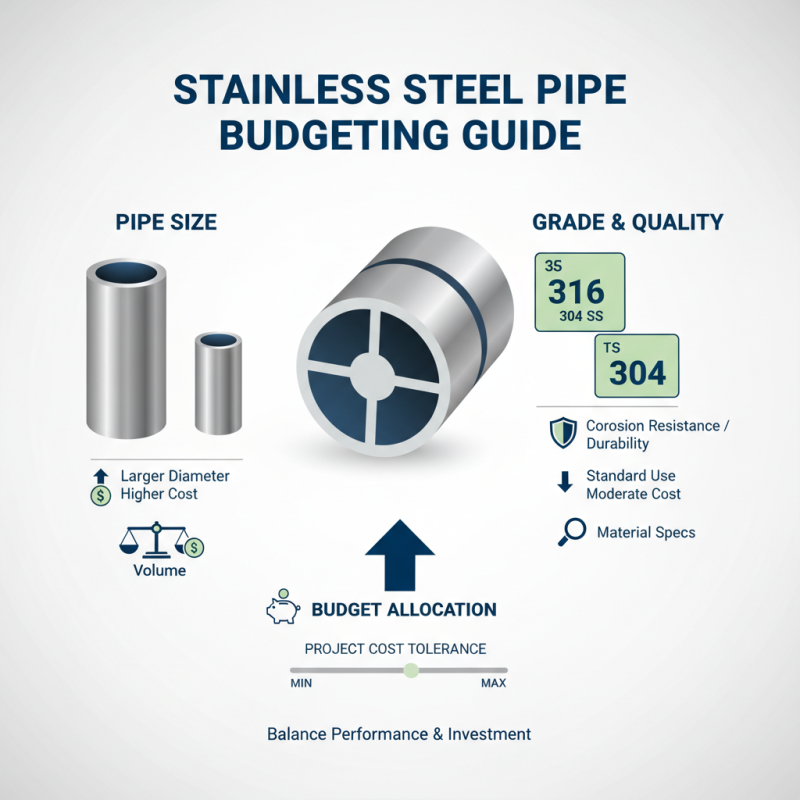
When budgeting for stainless steel pipes, consider various factors. First, pipe size and grade influence costs significantly. Larger pipes or higher grades may offer better durability but come at a premium price. It's essential to assess how much you can allocate for your project without compromising on quality.
Another aspect is the project scope. Will you need a small quantity or a bulk order? Bulk orders may reduce per-unit costs but require more upfront cash. Additionally, shipping costs can add up. Some suppliers may have hidden fees, so always read the fine print.
Investing in quality stainless steel can save money long-term. Cheaper options might seem appealing initially, but they could lead to corrosion or other issues. Reflect on your long-term needs. Are you planning to expand? Higher quality materials can support future growth and reduce maintenance costs.