How to Choose the Best Galvalume Coil for Your Project?
When selecting the right Galvalume Coil for your project, it's essential to understand its properties and applications. According to a report from the Metal Construction Association, the demand for Galvalume products has grown by over 35% in the past five years, highlighting their importance in the construction industry. The unique combination of aluminum and zinc offers superior corrosion resistance, making Galvalume a popular choice for roofing and siding.
Industry expert Dr. Lisa Chen emphasizes, "Choosing the right Galvalume Coil can significantly impact project longevity." Her insights underline the need for careful selection based on factors like coating weight, thickness, and compatibility with other building materials. Understanding these elements can prevent common mistakes that may arise during installation or long-term durability checks.
However, many projects fall short due to a lack of knowledge or research about Galvalume properties. It's not enough to simply choose a coil based on appearance or price. Each project has unique requirements that must align with the specific attributes of the Galvalume Coil selected. Therefore, taking the time to evaluate options is crucial for ensuring success in your construction endeavors.
Understanding Galvalume Coil: Composition and Benefits
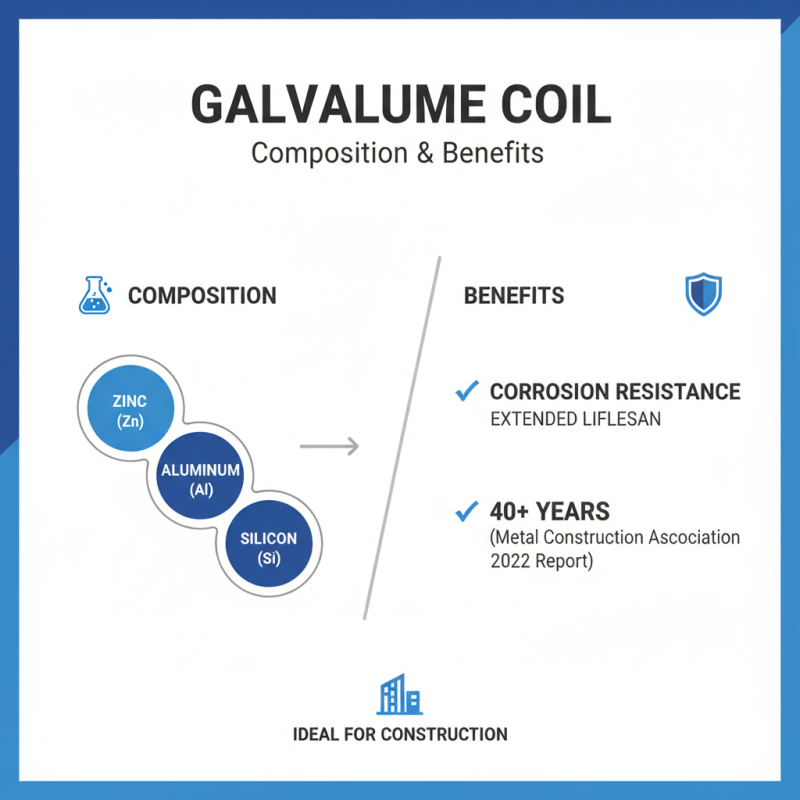
Galvalume coil is a popular choice in the construction industry. It consists of zinc, aluminum, and silicon. This combination offers remarkable corrosion resistance. According to a 2022 report by the Metal Construction Association, structures using Galvalume have a lifespan that can exceed 40 years. This durability is particularly beneficial in challenging environments.
The unique composition of Galvalume allows it to outperform traditional galvanized steel. The aluminum content enhances its resistance to rust. Studies show that Galvalume coils can withstand harsher weather conditions without compromising strength. Its reflective surface can also reduce energy costs by reflecting sunlight. In some cases, energy savings can reach up to 20% in hot climates.
However, there are considerations to keep in mind. Not all coatings may meet specific project requirements. Some projects may demand heavier gauge coils for additional strength. This variation can impact cost and availability. Ultimately, understanding these nuances can lead to smarter decisions in sourcing materials.
Factors to Consider When Selecting Galvalume Coil Thickness
Choosing the right Galvalume coil thickness is crucial for your project. The thickness impacts durability, strength, and performance. A thicker coil offers greater strength and resistance to bending. However, this means increased weight, which can affect installation. Consider the specific demands of your project when deciding on the thickness.
One key factor is the environmental conditions the material will face. If your project is in a coastal area, a thicker coil may provide better protection against corrosion. On the other hand, lighter applications in less harsh conditions may not require such thickness. Always weigh the benefits against potential drawbacks.
Tips: Evaluate the load-bearing requirements of your structure. Seek advice from experienced professionals in the field. Doing so can prevent costly mistakes. The right thickness can improve longevity but may increase initial costs. Reflect on your project's long-term goals. Choosing carefully can lead to a more satisfactory outcome.
Evaluating Galvalume Coil Coatings for Durability and Corrosion Resistance
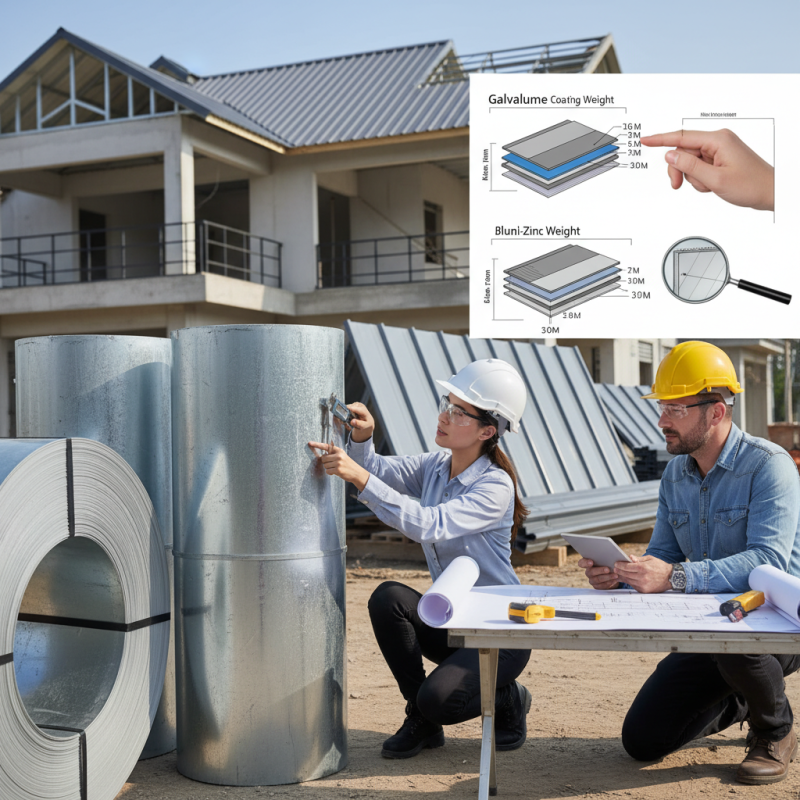
When selecting a Galvalume coil for your project, understanding the coating's durability and corrosion resistance is crucial. Galvalume coating is composed of zinc-aluminum alloy applied to steel substrates. Reports show that this alloy offers superior corrosion resistance—up to three times more than traditional galvanized coatings. The presence of aluminum provides barrier protection, enhancing durability against environmental factors.
However, not all Galvalume coils are created equally. Variations in manufacturing processes can impact the coating's thickness and quality. It's essential to evaluate the specific requirements of your project. For instance, structures in coastal areas may require coils with higher corrosion resistance due to saline exposure. The American Galvanizers Association highlights that even small imperfections in coating thickness can lead to accelerated rusting. Always consider the environment in which the coil will be used when making your choice.
Testing coatings under real-world conditions is necessary for reliable performance data. Some studies found that while standard coatings perform well, more specialized formulations can significantly improve longevity. Understanding these nuances will guide you in selecting the most appropriate Galvalume coil for your project's unique needs, ensuring long-term durability and cost-effectiveness.
Comparing Galvalume Coil Prices and Suppliers for Value
When selecting Galvalume coils for your project, price and supplier reliability are key factors. Researching various suppliers is crucial for making an informed decision. Look for companies that specialize in metal products, as they often provide valuable insights into Galvalume's benefits.
Compare prices from multiple suppliers. This will help you understand the market range and get the best deal. However, don't solely focus on cost. Sometimes, lower prices come with trade-offs, such as reduced quality or customer service. Finding a balance between cost and quality is essential.
Additionally, seek supplier reviews and testimonials. These can shed light on their reputation and service reliability. Consider asking for samples before making a bulk purchase. This can help you evaluate quality first hand. Reflect on your project needs and budget constraints to ensure you choose wisely.
Analyzing Project Requirements to Determine Galvalume Coil Specifications
When choosing Galvalume coil for a project, understanding specifications is vital. Start by assessing the environment where the coil will be used. Exposure to elements like moisture and chemicals requires a durable material. Reports show that Galvalume offers superior corrosion resistance, especially in coastal areas. It contains a unique coating of zinc and aluminum, enhancing longevity.
Next, consider thickness and gauge. The thickness impacts strength and weight, crucial for roofing and wall applications. A standard thickness range is between 0.3 mm to 0.6 mm. Data indicates that a gauge of 24 is commonly used for roofs. Projects with heavy load or extreme weather may need even thicker coils.
Finally, reflect on installation and maintenance needs. Some projects may necessitate special handling techniques. The ease of installation affects overall project timelines and costs. While Galvalume provides excellent durability, improper installation can lead to issues down the line. Balancing these specifications with long-term project goals is key to success.
How to Choose the Best Galvalume Coil for Your Project?
| Specification |
Standard Size (mm) |
Thickness (mm) |
Coating Weight (g/m²) |
Application Area |
| Galvalume AZ50 |
1000 x 2000 |
0.40 |
50 |
Roofing and Siding |
| Galvalume AZ70 |
1250 x 2500 |
0.50 |
70 |
Industrial Applications |
| Galvalume AZ90 |
1500 x 3000 |
0.60 |
90 |
Heavy Duty Applications |
| Galvalume AZ150 |
2000 x 4000 |
0.70 |
150 |
Commercial Roofing |