How to Choose the Best Color Coated Coil for Your Project?
Choosing the right Color Coated Coil for your project is vital. The construction and manufacturing industries rely heavily on these materials. According to recent market reports, the global demand for color coated coils is expected to grow by 5% annually over the next five years. This trend highlights the importance of selecting high-quality materials.
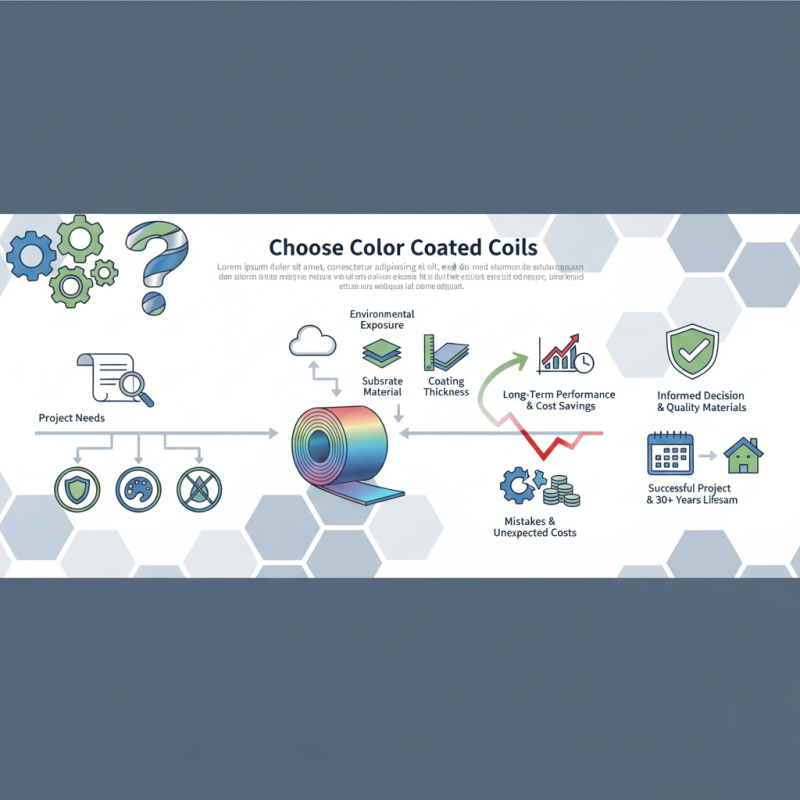
Understanding the specific needs of your project is crucial. Various coatings offer different levels of durability, aesthetics, and corrosion resistance. A study by the Metal Roof Alliance indicates that color coated coils can last over 30 years with proper selection. However, not all coils are created equal. It’s essential to consider factors such as substrate material, coating thickness, and environmental exposure.
Despite advancements in technology, mistakes can happen. Selecting the wrong Color Coated Coil may lead to unexpected costs and delays. Reflect on previous projects. Were there issues with color fading or corrosion? These concerns reiterate the importance of informed decisions. Careful evaluation of product specifications can prevent future complications.
Understanding the Basics of Color Coated Coils in Construction Projects
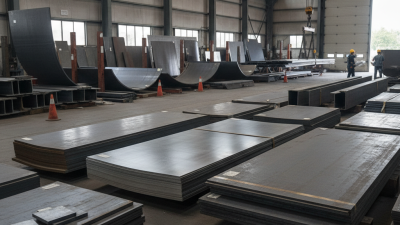
When embarking on a construction project, understanding color coated coils is crucial. These coils are thin steel sheets coated with paint, offering both aesthetic appeal and durability. They come in various colors, allowing architects to execute vibrant designs. However, color selection can affect more than just looks; it influences energy efficiency and maintenance requirements.
Different coatings have their unique properties. For instance, some offer superior UV resistance while others enhance insulation. It's important to examine the environment where they will be installed. Certain colors can absorb more heat, affecting energy costs in the long run. Choosing the wrong coil might lead to increased upkeep.
It’s also essential to consider the compatibility of the coil with other building materials. Mismatched materials can cause issues like corrosion or structural weaknesses. Experts suggest testing the materials in a small section first. This trial can reveal potential problems that aren’t immediately obvious. Make informed decisions to ensure the project's success.
Key Factors Influencing the Selection of Color Coated Coils
Choosing the right color coated coil for your project is crucial. Several factors influence this selection. First, consider durability. The coating must withstand environmental conditions. Projects in coastal areas need coils with superior corrosion resistance.
Another essential factor is the finish type. Glossy finishes reflect more light and can enhance visual appeal. Matte finishes, however, can hide imperfections better. Think about the project's aesthetic goals. A misaligned choice here could lead to dissatisfaction later.
Tips: Always request samples before making a final decision. Testing how colors look in different lighting can be enlightening. Also, assess how easy the coil is to install. Some coatings can complicate installation due to their texture or flexibility. Aim for a balance between beauty and practicality.
Evaluating Different Coating Types and Their Durability Ratings
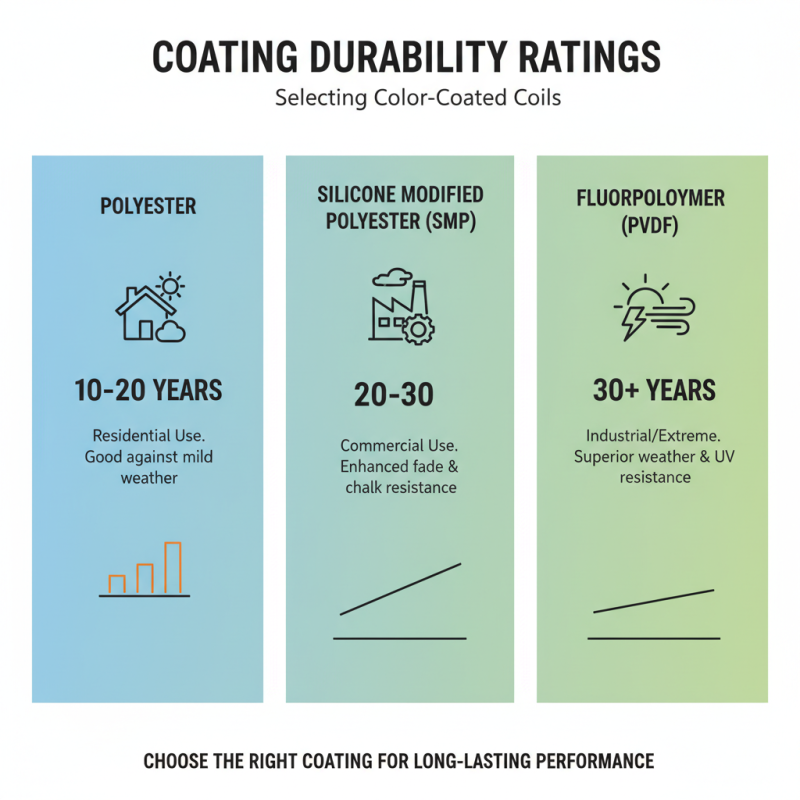
When selecting a color coated coil, understanding the durability of various coating types is crucial. Different coatings vary in terms of performance against environmental factors. For instance, polyester coatings, commonly used in residential applications, generally offer durability that ranges from 10 to 20 years. However, they may not withstand harsh weather conditions as well as other options.
In contrast, fluoropolymer coatings, such as PVDF, provide superior longevity. Reports suggest they can last between 20 to 30 years. This makes them a reliable choice for projects in extreme climates. Surface damage, such as scratches or dents, can compromise these coatings. Moreover, the thickness of the coating plays a significant role in its durability. Thicker coatings typically offer enhanced protection but may increase costs.
Consideration of maintenance is important too. Some coatings require periodic cleaning to maintain their appearance and performance. On the other hand, certain finishes can hide imperfections better than others. Consulting industry reports often reveals that the right coating choice depends not only on aesthetics but also on the specific demands of the project. Balancing cost, longevity, and maintenance needs is essential for optimal results.
Comparing Cost-Effectiveness and Performance of Popular Coating Brands
When selecting a color-coated coil, cost-effectiveness and performance are crucial factors. Various coating brands offer distinct benefits. However, performance isn't just about durability; it also includes how the coating reacts to environmental factors. Some coatings struggle in harsh weather, leading to fading or chipping. A less expensive option might seem appealing but could result in higher costs later.
In terms of cost, consider the lifecycle of the material. Cheaper coatings may require frequent maintenance or early replacement. Investing in a more robust coating can save money over time. A reliable option provides better performance and aesthetic quality. Yet, not every project needs the top-tier coatings. Evaluate your specific requirements before choosing.
Despite rigorous comparisons, no single choice fits every situation. Past experiences highlight the importance of field testing. Variability in application methods and environmental conditions can impact results. Reflect on your project's unique needs before making a decision.
How to Choose the Best Color Coated Coil for Your Project? - Comparing Cost-Effectiveness and Performance of Popular Coating Brands
| Coating Type |
Durability (Years) |
Cost per Square Meter (USD) |
Maintenance Frequency (Per Year) |
Resistance to Corrosion |
| Polyester |
10 |
3.00 |
1 |
Moderate |
| PVDF |
20 |
5.00 |
0.5 |
High |
| Epoxy |
15 |
4.00 |
1.5 |
Moderate |
| Silicon modified Polyester |
12 |
3.50 |
1 |
Moderate |
| PVD |
25 |
7.00 |
0.25 |
Very High |
Analyzing the Environmental Impact of Color Coated Coil Materials
When selecting color coated coil materials, it’s crucial to consider their environmental impact. A report by the European Commission shows that the production of coated coils often involves substances that can harm the environment. It’s essential to choose materials that minimize ecological damage without compromising quality. Colour-coated steel can contain VOCs (volatile organic compounds) that contribute to air pollution.
Tips: Look for manufacturers who provide transparency about their materials and processes. Check environmental certifications to ensure compliance with green standards.
The life cycle of color coated coils spans from raw material extraction to disposal. The production of metal coils can yield significant carbon emissions. According to the World Resources Institute, the steel industry accounts for approximately 7% of global CO2 emissions. It’s worth reflecting on the long-term impact of your choice. Opting for products with a longer lifespan will reduce overall waste and energy usage.
Tips: Consider pre-painted steel for its durability and lower maintenance needs. Selecting materials that reflect heat can lower energy costs over time.