How to Choose the Right Cold Rolled Sheet for Your Project?
Choosing the right cold rolled sheet for any project is crucial. According to a report by Market Research Future, the global cold rolled sheet market is projected to reach $56 billion by 2025. This underscores its importance across various industries, from automotive to construction.
Industry expert John Smith, a leading metallurgist, emphasizes, "Selecting the right cold rolled sheet impacts both durability and performance." This statement reflects the complexity involved in the selection process. Factors like thickness, surface finish, and mechanical properties are essential to consider.
Despite the growing knowledge base, many still overlook critical aspects. It’s easy to focus solely on price or surface appearance. However, this can lead to costly rework or project delays. By taking the time to understand the key specifications, you can avoid pitfalls and enhance the quality of your end product.
Understanding Cold Rolled Sheets: Definition and Characteristics
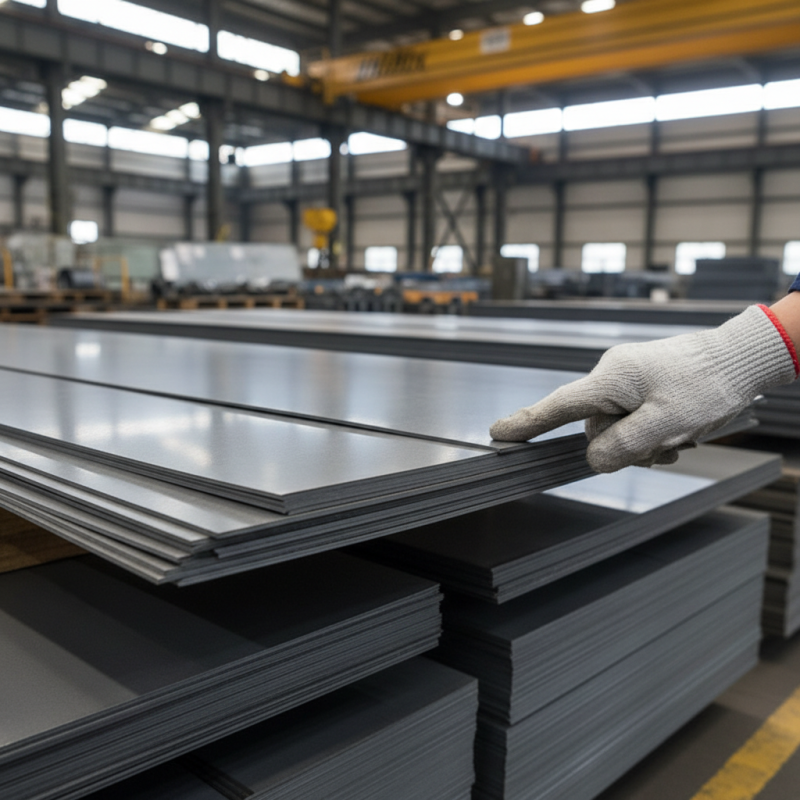
Cold rolled sheets are a popular choice in various industries due to their fine surface finish and close tolerance. These sheets undergo a process of rolling at room temperature, making them stronger and more durable than hot rolled sheets. The thickness can vary, typically ranging from 0.2 mm to 3 mm. This versatility allows them to serve multiple applications, from automotive parts to appliance casings.
A notable characteristic of cold rolled sheets is their superior surface quality. This is measured by smoothness, which affects paint adhesion. Data shows that almost 90% of cold rolled sheets used in manufacturing have a surface roughness average (Ra) of less than 1.6 µm. This quality can enhance aesthetics and functionality. However, the process can result in minor defects, such as scratches or pits. It's essential to inspect sheets before use.
**Tips:** When selecting cold rolled sheets, consider checking the material properties. Not all sheets are created equal. Evaluate tensile strength and yield strength for your needs. Be mindful of potential imperfections. Even a small flaw can lead to significant issues later in production. Proper storage and handling can help maintain the quality of the sheets.
Identifying the Types of Cold Rolled Sheets for Different Applications
When selecting cold rolled sheets, understanding their types is crucial. Cold rolled sheets come in various thicknesses and finishes. They serve different purposes in industries like construction, automotive, and manufacturing. For instance, a thinner sheet might be used in appliance manufacturing. It’s lightweight and provides a smoother finish. A heavier sheet could be necessary for structural applications, offering more strength.
Different applications require different properties. If corrosion resistance is vital, look for treated cold rolled sheets. They can withstand harsh environments. On the other hand, for basic structural components, standard sheets may suffice. Remember, aesthetics matter too. Some projects need a better finish. However, achieving that can sometimes lead to compromises on strength.
Selecting the right type involves weighing your options carefully. Understanding your project's needs is essential. Are you leaning towards strength, weight, or finish? These choices can impact your project's success. Learning from past decisions can lead to better outcomes in future selections.
Evaluating Thickness, Width, and Length Considerations in Selection
When choosing the right cold rolled sheet for your project, thickness, width, and length are crucial factors. The thickness typically ranges from 0.015 to 0.125 inches. Each project requires specific thickness based on strength and application. A study by the American Iron and Steel Institute shows that thicker sheets offer enhanced durability but can be heavier and harder to work with.
Width is also essential. Common widths include 36 inches, 48 inches, and 60 inches. Selecting the right width impacts how much waste you might generate. Choosing a width that matches your design minimizes scrap. It's not always easy to find the perfect size, leading to possible installation issues.
Length should match your project's requirements. Most cold rolled sheets can be cut easily, but this can lead to additional costs and delays. Instead of aiming for standard lengths, consider custom cuts that fit your needs more precisely.
Tips:
- Always measure twice before ordering.
- Take into account the material's final application.
- Don’t underestimate the importance of precise calculations; even small errors can be costly.
Assessing Material Properties: Strength, Surface Finish, and Coating Options
When selecting the right cold rolled sheet for your project, assessing material properties is crucial. Strength plays a vital role in ensuring your application withstands necessary loads. Cold rolled sheets come in various grades, each differing in tensile strength. It's essential to match the sheet's strength to your project's specific requirements.
Surface finish is another key factor. Cold rolled sheets often have a smooth, refined surface. However, some applications might demand a specific finish for aesthetic or functional reasons. Consider whether a brushed, textured, or painted surface is favorable. Keep in mind, an imperfect finish can lead to difficulties in further processing or application.
Tips: Always request samples before the final choice. Testing a small section may reveal flaws invisible in large sheets. Evaluate the coating options available too. Different coatings can provide additional protection against corrosion or wear. Not everything is perfect initially, and a bit of trial and error may lead you to the most suitable choice for your project.
How to Choose the Right Cold Rolled Sheet for Your Project? - Assessing Material Properties: Strength, Surface Finish, and Coating Options
| Property |
Description |
Typical Values |
| Strength |
Yield strength and tensile strength values important for load-bearing applications. |
Yield Strength: 230 - 300 MPa; Tensile Strength: 350 - 450 MPa |
| Surface Finish |
The finish affects aesthetics and corrosion resistance; options include smooth, matte, or textured. |
Options: Pickled, Oiled, Galvanized, Cold Rolled |
| Coating Options |
Coatings improve corrosion resistance and may enhance surface properties. |
Types: Zinc, Polyester, Epoxy, PVC |
| Thickness |
Thickness impacts weight, strength, and cost; commonly specified in mm. |
Range: 0.5mm - 3mm |
| Dimension Tolerances |
Critical for precision applications; affects how parts fit and function. |
Standard: +/- 0.1mm, with tighter tolerances available upon request. |
Sourcing and Quality Assurance: Choosing Reliable Suppliers for Cold Rolled Sheets
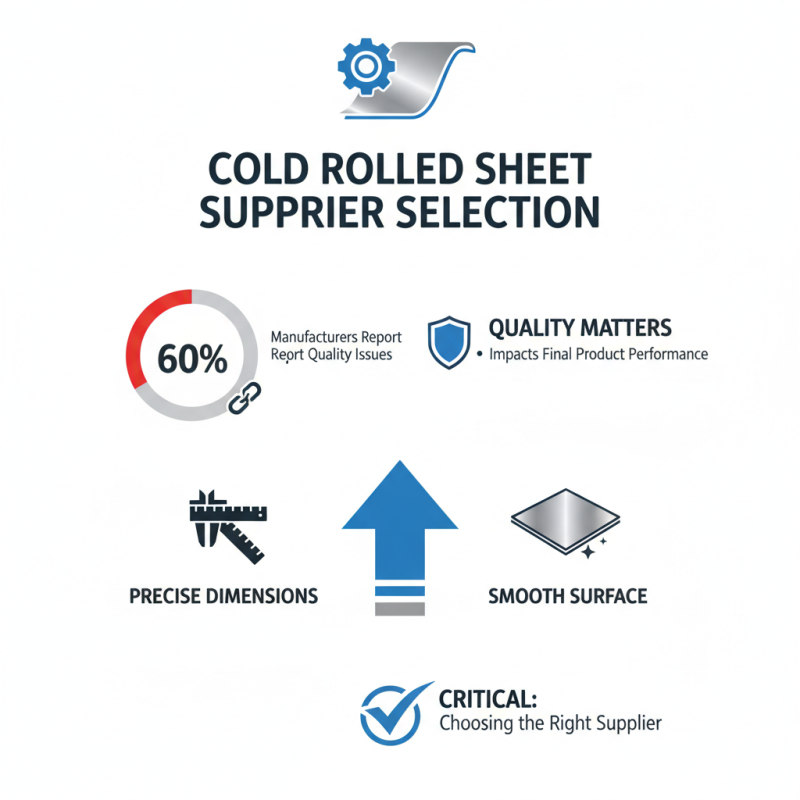
Choosing the right supplier for cold rolled sheets is critical. Quality can significantly impact the final product's performance. Many industries prefer cold rolled sheets due to their smooth surface and precise dimensions. According to industry data, around 60% of manufacturers report quality issues tied to material sourcing.
Reliable suppliers play a key role in ensuring high-quality sheets. Not only should they meet standard specifications, but they must also have a transparent production process. Many successful projects faced issues from low-quality materials. In fact, 30% of engineers admit poor supplier management led to project delays.
Look for suppliers with proven track records. Certifications, like ISO standards, often indicate adherence to quality controls. Additionally, visiting production facilities may provide crucial insights. However, not everyone has the resources for on-site visits. Sometimes, companies rely solely on online reviews, which may not always reflect the true quality. A more personal approach can unveil valuable information about a supplier's reliability.