10 Best Round Pipe Options for Your Next Project?
In the world of construction and manufacturing, selecting the right materials is crucial. Among these, "Round Pipe" stands out for its versatility and strength. Expert engineer John Smith once stated, “Quality round pipes are the backbone of reliable structures.” This highlights the importance of using high-quality materials in any project.
Choosing the right round pipe can be challenging. There are various options on the market, each with unique properties. For instance, the difference between steel and PVC pipes can significantly impact a project's durability and performance. Understanding these distinctions is key to making informed decisions.
Moreover, attention to detail matters greatly. The dimensions, weight, and finish of round pipes can lead to different outcomes. A pipe that looks good on paper may not perform well in real-world applications. Consequently, it's vital to reflect on choices made and seek expert advice to ensure the best results for your next project.
Understanding Different Types of Round Pipes for Construction Projects
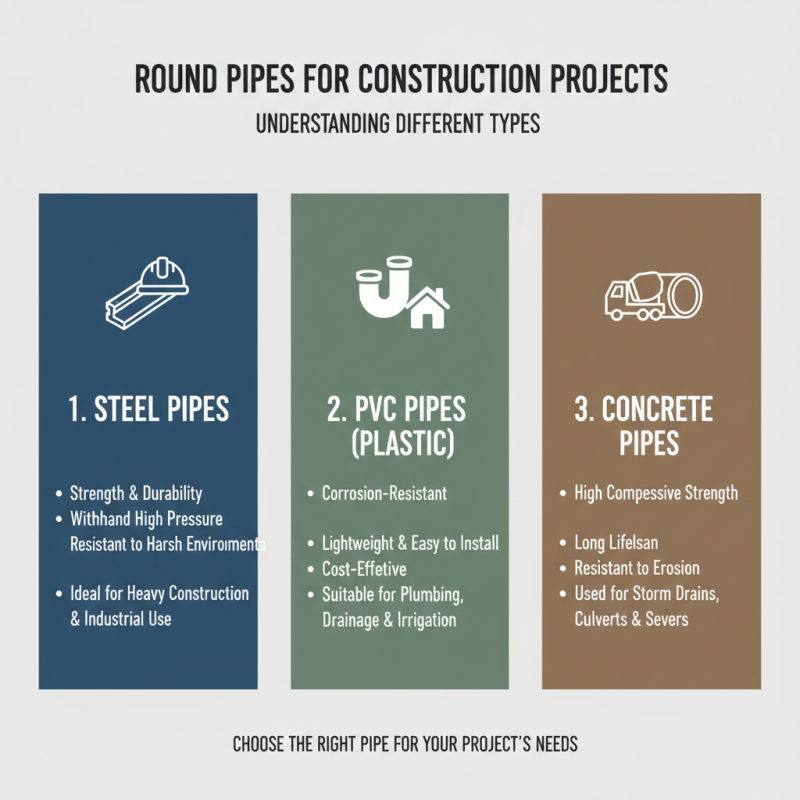
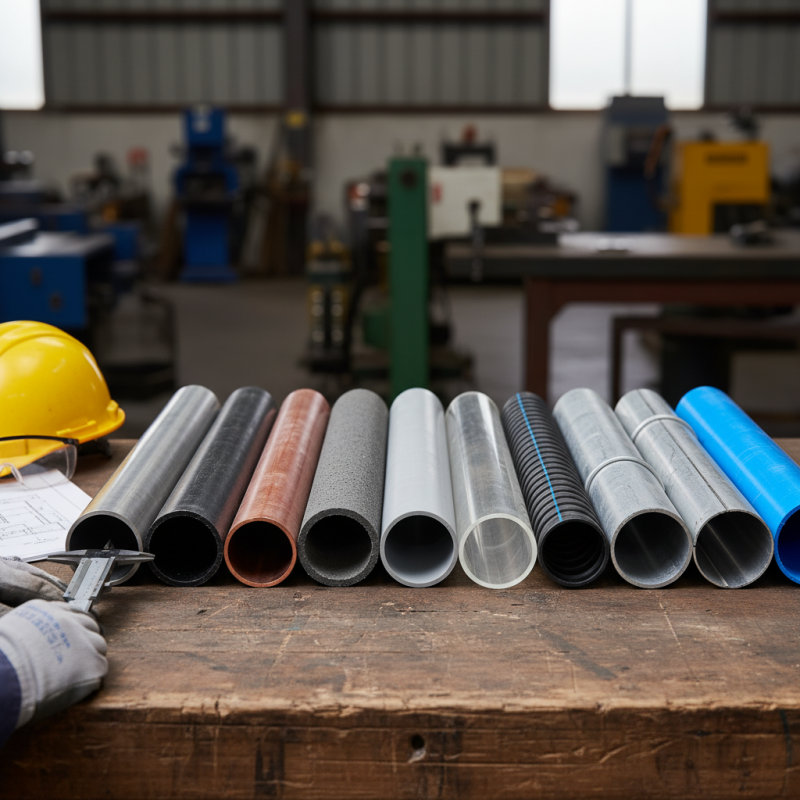
When selecting round pipes for construction projects, it is essential to understand the different types and their specific applications. Round pipes are versatile and available in various materials. Steel pipes are commonly used for their strength and durability. According to industry reports, steel pipes can withstand high pressure and are resistant to harsh environments. This makes them ideal for heavy construction and industrial applications.
PVC pipes are another popular option. They are lightweight and easy to install. PVC is resistant to corrosion and chemical damage. It is widely used for plumbing and drainage systems. Studies show that PVC can last for decades with minimal maintenance. However, it is less suitable for high-temperature applications compared to other materials.
Copper pipes are often favored for their antimicrobial properties. They are widely used in residential plumbing. The high thermal conductivity of copper makes it an excellent choice for heating systems. Yet, copper may not be cost-effective for large-scale projects. When considering round pipes, project specifics must be analyzed to choose the right material. Each option has benefits and drawbacks that could impact project goals.
Factors to Consider When Choosing Round Pipes for Your Project
When selecting round pipes for your project, several factors are crucial. Material choice impacts durability and functionality. Steel, PVC, and copper are common options, each suited for specific applications. According to industry reports, steel pipes are often favored for structural integrity, while PVC is ideal for drainage or electrical applications due to its lightweight nature.
The diameter and thickness of the pipe also matter significantly. They determine the flow rate in plumbing and the structural support in construction. A recent analysis revealed that using pipes with the appropriate diameter can improve efficiency by up to 30%. It's essential to assess the pressure ratings too, particularly for water transport where fluctuations can occur.
Tips: Always calculate the total load the pipe must bear. Conduct a pressure test if possible. Keep in mind your local building codes, as these regulations can affect your choices. Consider future maintenance needs; some materials require more upkeep than others. This foresight can save time and resources later on.
Top 10 Round Pipe Materials and Their Applications
When selecting round pipe materials for your project, consider the variety of options available. Steel pipes are strong and durable. They are often used for structural applications. Stainless steel pipes resist corrosion, making them ideal for plumbing. Copper pipes offer excellent thermal conductivity, popular in HVAC systems.
PVC and CPVC pipes are lightweight and cost-effective. They work well in drainage and irrigation systems. Aluminum pipes, on the other hand, are resistant to oxidation and easy to handle. These are suitable for air ducts and lightweight frameworks. Each material has unique benefits, suited for specific needs.
When making a choice, reflect on your project's requirements. Think about factors like weight, cost, and the environment. Unexpected challenges may arise, such as differing local codes for installations. Choosing the right round pipe material can lead to better performance and longevity. However, improper selection can cause issues down the line. Not all options will meet every need perfectly; assessing each choice carefully will pave the way for success.
10 Best Round Pipe Options for Your Next Project
| Material |
Diameter (inches) |
Thickness (mm) |
Weight (lbs/ft) |
Application |
| Steel |
2.0 |
3.2 |
2.27 |
Construction, framing |
| Aluminum |
1.5 |
2.0 |
1.09 |
Aerospace, automotive |
| PVC |
4.0 |
2.5 |
0.87 |
Plumbing, drainage |
| Copper |
1.0 |
1.5 |
0.95 |
Electrical, plumbing |
| Stainless Steel |
3.0 |
2.0 |
1.20 |
Food processing, marine |
| Fiberglass |
4.5 |
3.0 |
0.70 |
Chemical processing, insulation |
| Carbon Steel |
6.0 |
5.0 |
4.50 |
Heavy machinery, construction |
| HDPE |
3.0 |
1.5 |
0.88 |
Water supply, agricultural |
| Titanium |
2.5 |
2.0 |
1.60 |
Aerospace, marine |
| Brass |
1.25 |
1.0 |
1.10 |
Fittings, fixtures |
Installation Techniques for Round Pipes in Various Settings
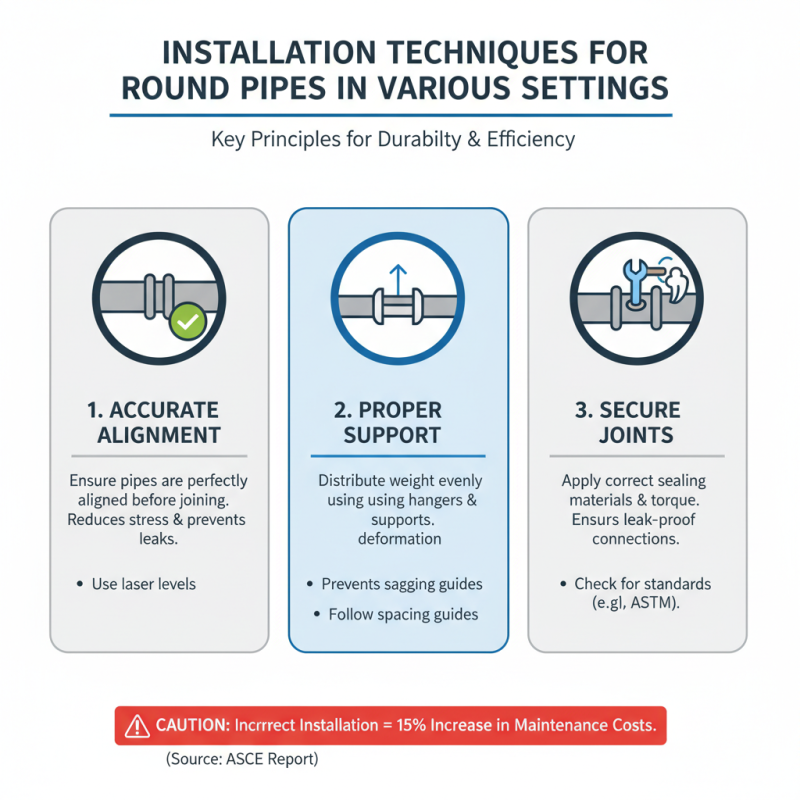
When working with round pipes, understanding installation techniques is crucial. Accurate installation affects the durability and efficiency of the pipe in various settings. According to a report by the American Society of Civil Engineers, incorrect installation can lead to a 15% increase in maintenance costs over the lifespan of a project.
In residential settings, proper alignment is key. Pipes must be installed with a slight slope to avoid water accumulation. This means ensuring each section aligns to maintain this gradient. In industrial applications, pipe supports play a vital role. They reduce stress on joints and prevent sagging. The National Fire Protection Association advises regularly checking support spacing to maintain structural integrity.
Installation challenges can arise. For instance, a tight fit is not always guaranteed, especially in older buildings. Using flexible joints may help, but they can introduce points of failure. It's essential to regularly inspect these joints for wear and tear. Skilled labor is necessary for effective installation, but even experienced technicians can overlook small details. Awareness and continuous education on proper techniques can mitigate many issues.
Maintenance Tips for Extending the Lifespan of Round Pipes
Round pipes are essential in various projects, but they require proper maintenance to ensure longevity. Regular inspections can help identify any signs of wear or damage early. Look for rust, cracks, or leaks, as these can worsen if left unattended. Consider using a flashlight for better visibility inside and around the pipes. Remember, even minor damage can lead to significant issues later.
Cleaning is equally important. Use appropriate cleaning solutions that will not degrade the pipe material. For metal pipes, avoiding abrasive cleaners is crucial. Rinsing with clean water removes built-up grime and prevents corrosion. Additionally, keeping the surrounding area free from debris promotes good airflow and minimizes moisture retention, which can harm the pipes.
Storage conditions play a vital role too. If pipes aren’t used immediately, store them in a dry, cool place. Cover them to shield from dust and moisture. Reflect on the environment where pipes are kept. A small oversight now could cause more trouble in the future. Evaluating your maintenance routine regularly will ensure your round pipes last longer and serve their purpose effectively.