Top 10 Best Galvanized Pipe Options for Your Plumbing Needs?
When it comes to plumbing, choosing the right materials is crucial. "Galvanized Pipe has been a reliable choice for many years," says John Thompson, a plumbing expert with over 20 years of experience. This type of pipe, coated with zinc, resists corrosion better than many alternatives. However, it's important to consider its limitations too.
While galvanized pipes can last a long time, they are not without issues. They can experience rust over time, leading to water quality concerns. In some cases, these pipes may even restrict water flow. Choosing the best galvanized pipe for your needs means understanding both its strengths and potential drawbacks.
In this guide, we will explore the top 10 options available today. Each selection will highlight the unique features and performance of different products. By understanding these aspects, you can make a better-informed decision for your plumbing needs.
Overview of Galvanized Pipes in Plumbing Applications
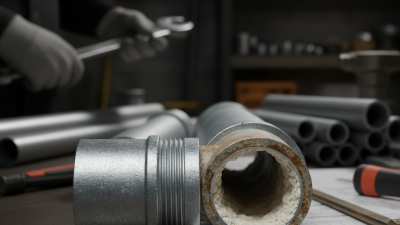
Galvanized pipes have been a popular choice in plumbing for decades. They are made of steel coated with a layer of zinc, which helps prevent rust and corrosion. However, over time, these pipes can experience significant wear. Reports indicate that galvanized pipes can corrode and scale internally, leading to reduced water flow and potential leaks. Homeowners should be aware that many structures built before the 1980s often still use these antiquated materials.
Installation of galvanized pipes can be a cost-effective solution in some cases, though it’s essential to monitor their condition. Regular checks can reveal signs of corrosion or buildup, which can affect water quality. For example, discolored water or reduced pressure might signal degradation. Experts recommend replacing galvanized pipes with modern materials, especially in homes with older plumbing.
Tip: If you notice rust or sediment in your water, it might be time to consult a professional. Ignoring early signs can lead to more serious plumbing issues later.
When considering options for plumbing, including galvanized pipes, understanding their lifespan is crucial. While they have been a staple in the industry, alternatives now offer better longevity. Always weigh the pros and cons before making a decision. Careful evaluation ensures the best choice for your plumbing needs.
Advantages and Disadvantages of Using Galvanized Pipes
Galvanized pipes have been a staple in plumbing for decades. They are coated with zinc to prevent corrosion. However, their advantages and disadvantages need careful consideration. A 2021 industry report noted that 60% of existing plumbing systems still use galvanized pipes. One key advantage is their durability. These pipes can last up to 50 years if properly maintained. They are resistant to rust, making them suitable for various applications.
On the downside, galvanized pipes can accumulate mineral deposits over time. This buildup can reduce water flow. Additionally, older pipes may contain lead, posing health risks. A study indicated that homes built before the 1960s often had lead solder. This creates a dilemma for homeowners regarding water quality and safety. Regular inspections are essential to identify any issues with water flow and quality.
The weight of galvanized pipes is another factor to consider. They are heavier than plastic alternatives. This can make installation more challenging and labor-intensive. Homeowners should weigh these pros and cons before making a choice. The decision isn't always clear-cut.
Top 10 Best Galvanized Pipe Options for Your Plumbing Needs - Advantages and Disadvantages of Using Galvanized Pipes
| Pipe Type |
Advantages |
Disadvantages |
Typical Uses |
| 1. Schedule 40 |
Strong, resistant to corrosion. |
Can corrode over time. |
Water supply lines. |
| 2. Schedule 80 |
Thicker walls, higher pressure ratings. |
Bulkier and heavier. |
Industrial applications. |
| 3. Black Steel |
Good for gas lines, durable. |
Can rust without coating. |
Gas distribution. |
| 4. Galvanized Steel |
Corrosion-resistant, moderately light. |
Limited life span in high-pressure situations. |
Water and drainage systems. |
| 5. Schedule 10 |
Lightweight and easy to handle. |
Not suitable for high pressure. |
Low-pressure applications. |
| 6. Galvanized Iron |
Good strength and durability. |
Brittle and prone to corrosion. |
Drainage and venting. |
| 7. Spiral Welded |
Good for large diameters. |
Welding flaws can weaken joints. |
High volume water transport. |
| 8. Electro-Galvanized |
Uniform coating, good corrosion resistance. |
Less durable than hot-dipped. |
Indoor plumbing systems. |
| 9. Hot-Dipped |
Excellent corrosion resistance. |
Heavy and costly. |
Outdoor applications. |
| 10. Fittings and Accessories |
Flexible for various configurations. |
May require special tools for installation. |
Connecting pipes and systems. |
Top Features to Consider When Choosing Galvanized Pipes
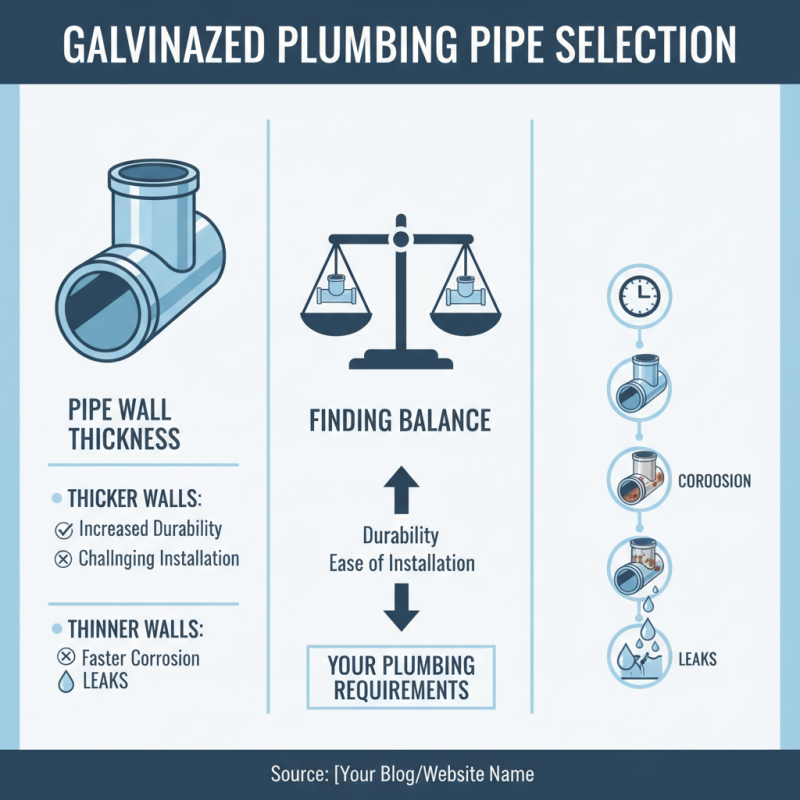
When selecting galvanized pipes for plumbing, several features are crucial. The thickness of the pipe walls is one important aspect. Thicker walls enhance durability but can make installation more challenging. It's essential to find a balance that suits your plumbing requirements. Over time, thinner pipes may corrode faster, leading to leaks.
Consider the diameter of the pipes as well. A larger diameter allows for better water flow, but it may not fit all spaces. Assess your existing plumbing setup before making a decision. Another feature worth noting is the finish of the pipe. A smooth interior promotes consistent water flow, while rough surfaces can trap debris. This can affect both functionality and water quality.
Moreover, the length of the pipe can impact your project. Longer pipes may require fewer joints, reducing potential leak points. However, they can be cumbersome and easier to damage during transport. Always measure twice before purchasing. Ultimately, thinking through these features can lead to better plumbing choices that meet your needs.
Review of the 10 Best Galvanized Pipe Brands for Plumbing
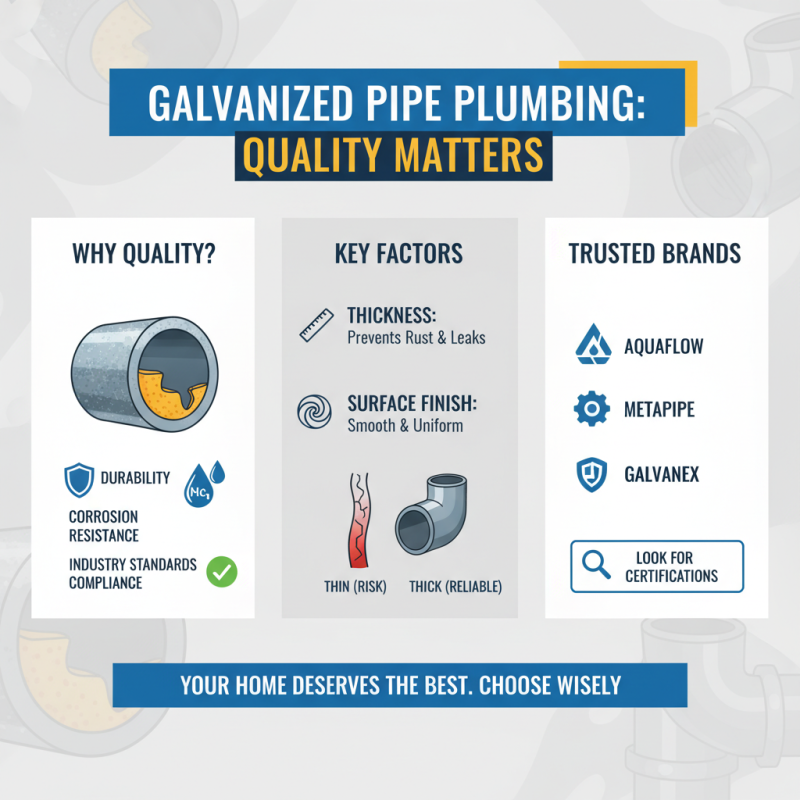
When selecting galvanized pipes for your plumbing, quality matters. Many options exist, but not all are reliable. The best brands often provide durable, corrosion-resistant pipes. Look for products that comply with industry standards. Thickness and surface finish are important. Thin pipes may rust easily, leading to leaks over time.
Some manufacturers use lower-grade materials, impacting longevity. Always check product specifications. The connection points also deserve attention. Poorly crafted fittings can cause issues down the line. Inspecting the pipe's surface for any signs of damage is essential. You don’t want to overlook minor flaws that can lead to bigger problems later.
Installation plays a critical role too. Even top-tier pipes can fail if not installed properly. Consider hiring a professional if you’re unsure. Many homeowners underestimate the importance of proper installation. It’s worth the effort to ensure everything is secure and leak-free. Remember, quality choices in galvanized pipes can significantly affect your plumbing system’s reliability.
Installation and Maintenance Tips for Galvanized Pipes
When installing galvanized pipes, ensure you have the right tools. Cutting the pipes can be tricky, and it's easy to make mistakes.
A pipe cutter is preferable for a clean cut. If you use a hacksaw, be ready to deal with burrs. Smooth out the edges to prevent leaks.
Proper alignment is key. Misalignment can lead to leaks and pressure loss.
Maintenance plays a crucial role in the longevity of galvanized pipes. These pipes can corrode over time. It's wise to check for rust periodically.
Water quality can impact corrosion rates too. Consider flushing your system regularly. Look for signs of leakage or damp spots around joints.
Noticing these issues early can save you from costly repairs later.
Cleaning the pipes is another vital task. You might find buildup from minerals and rust. A vinegar solution can often do the trick.
It’s not perfect, but it helps break down the deposits. Regular inspections and maintenance can prolong the life of your plumbing.
Don’t underestimate the importance of proactive care. Neglect can lead to bigger, more expensive problems.