2026 Best Carbon Steel Pipe Options for Global Buyers?
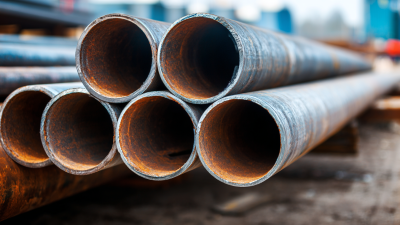
Carbon Steel Pipe is a crucial material in various industries worldwide. Understanding the best options available in 2026 is essential for informed purchasing decisions. Carbon steel pipes are renowned for their strength and versatility. They are used in construction, oil and gas, and plumbing applications.
Many global buyers seek durable pipes that can withstand high pressure. Choosing the right carbon steel pipe involves several factors. Buyers must consider size, thickness, and corrosion resistance. While prices vary greatly, quality should never be compromised.
Researching suppliers and reviewing specifications is vital. Not all products meet international standards. Buyers may encounter misleading information, which requires careful scrutiny. Identifying trustworthy manufacturers is a priority for every buyer. Higher cost does not always guarantee quality. Therefore, a detailed analysis of options is necessary for making the best choice.
2026 Carbon Steel Pipe Market Overview: Trends and Forecasts
The carbon steel pipe market is poised for significant changes in 2026. Industry trends reflect increased demand across various sectors, including construction and energy. Buyers should note the fluctuating prices and evolving material standards. Supply chain challenges could arise, affecting delivery times and costs.
Tips: Stay informed. Follow market news and reports. Understanding demand cycles helps predict price shifts.
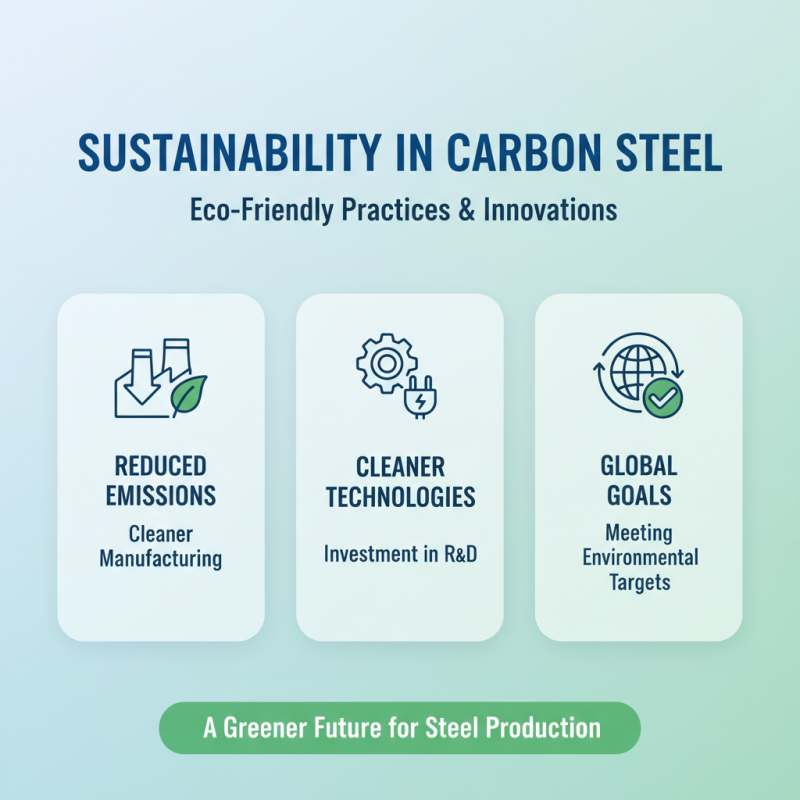
One striking trend is the rise in eco-friendly initiatives. Manufacturers are focusing on sustainable practices. Buyers may need to adapt their sourcing strategies accordingly. Companies prioritizing green certifications may hold a competitive edge.
Tips: Evaluate suppliers on sustainability. Consider long-term partnerships with eco-conscious companies. It could lead to better reliability and service.
As the market evolves, flexibility is essential. Buyers must remain agile in their purchasing decisions. Being open to new options can uncover opportunities. Additionally, regular assessments of material needs will ensure that the right choices are made amidst changes.
Key Characteristics of Carbon Steel Pipes: Grades and Specifications
When considering carbon steel pipes, understanding their grades and specifications is crucial. Different grades serve various applications, reflecting their properties. Common grades include API 5L, ASTM A106, and ASTM A53. Each grade varies in tensile strength, yield point, and chemical composition. API 5L is popular in oil and gas industries, while ASTM A106 is common in high-temperature applications.
In terms of specifications, pipe dimensions, wall thickness, and finish are vital. Standard diameters range from ½ inch to 60 inches. Wall thickness can vary from schedules 20 to XXH. The manufacturing process influences these properties. Hot-finished pipes are typically stronger than cold-finished ones.
Tips: Always check the certifications of your supplier. Ensure they comply with industry standards. This could save you from future problems. Additionally, consider environmental factors. Corrosion resistance may matter depending on your project's location. Understanding these characteristics can guide you in making informed decisions that suit your requirements.
2026 Best Carbon Steel Pipe Options for Global Buyers
This chart illustrates the distribution of various grades of carbon steel pipes based on their specifications and applications. The data reflects common grades utilized in the industry, highlighting their relative popularity among global buyers.
Global Production Leaders: Top Steel Pipe Manufacturers in 2026
The global steel pipe industry is poised for significant growth in 2026. According to a recent report from Research and Markets, the market for carbon steel pipes is expected to expand at a CAGR of 4.5% from 2022 to 2026. This growth is driven by increased demand in sectors like construction and oil and gas, where durability and performance are critical.
Leading manufacturers demonstrate impressive production capabilities. Industry giants are investing in advanced technologies to improve efficiency and reduce costs. For instance, recent evaluations show that top producers can achieve over 1 million metric tons of annual capacity. Despite these advancements, some companies face challenges with supply chain disruptions and fluctuating raw material prices. These issues can hinder timely delivery and affect overall production efficiency.
Sustainability continues to influence manufacturing practices. Many companies are seeking ways to minimize their carbon footprints. In response, they are adopting greener technologies and materials. Notably, some reports indicate that the integration of recycled materials in production processes could exceed 30% by 2026. These trends highlight the need for constant innovation. As the industry evolves, the importance of balancing quality, cost, and environmental impact becomes more significant.
Carbon Steel Pipe Applications: Industries Driving Demand Growth
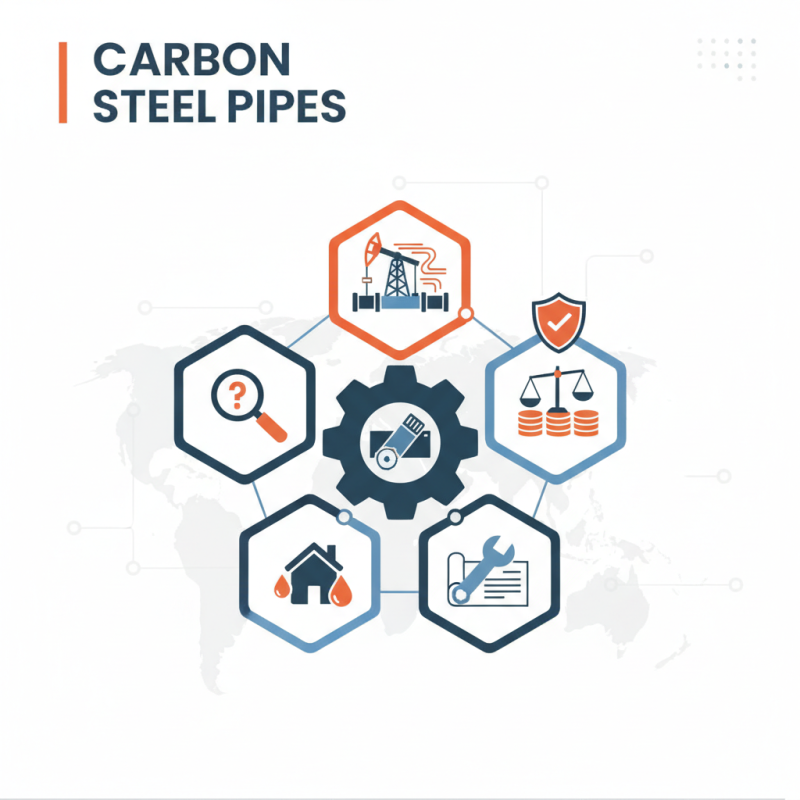
The demand for carbon steel pipes is rapidly growing in various industries. The oil and gas sector significantly drives this trend. According to a recent industry report, around 35% of carbon steel pipe applications are linked to these industries. They require resilient materials for transportation and storage. Without strong pipes, infrastructure suffers.
Construction is another key area fueling demand. Infrastructure projects are booming globally, leading to a continuous need for carbon steel pipes. Data suggests that around 25% of total consumption comes from construction. These pipes are essential for water supply, drainage, and structural applications. The durability of carbon steel makes it a reliable choice for these uses.
Moreover, manufacturing and automotive sectors are also significant consumers. These industries rely on carbon steel pipes for machinery and structural components. They account for nearly 20% of global consumption. However, there is a challenge. Supply chain issues and fluctuating raw material prices affect production. This uncertainty can create hesitance in long-term investment. Thus, continuous assessment is crucial for businesses to adapt to changing market dynamics.
2026 Best Carbon Steel Pipe Options for Global Buyers
| Application Industry |
Demand Growth Rate (%) |
Key Properties Required |
Common Sizes (mm) |
Standard Specifications |
| Oil & Gas |
8.5% |
Corrosion Resistance, Strength |
20, 25, 32 |
API 5L, ASTM A106 |
| Construction |
7.2% |
Durability, Weldability |
40, 50, 60 |
ASTM A53, EN 10219 |
| Automotive |
6.0% |
Lightweight, High Strength |
15, 20, 25 |
JIS G3445, ISO 3183 |
| Power Generation |
9.0% |
Heat Resistance, Pressure Resistance |
30, 40, 50 |
ASME SA/ASTM A192 |
| Marine |
5.5% |
Salinity Resistance, Toughness |
25, 35, 45 |
ASTM A500, ASTM A53 |