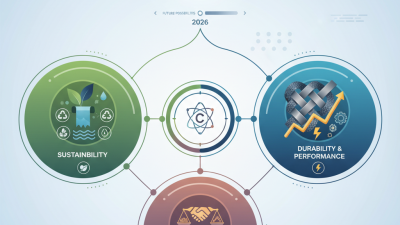
2026 Top Carbon Pipe Trends and Innovations for Industry
The carbon pipe industry is evolving rapidly. In 2026, innovative trends and technologies are set to reshape this vital sector. According to a report by MarketsandMarkets, the global carbon pipe market is projected to reach $15 billion by 2026. This growth highlights the rising demand for lightweight, durable materials in various applications, including oil and gas, automotive, and construction.
Carbon pipes offer significant advantages. They are known for their high strength-to-weight ratio and resistance to corrosion. These properties make them ideal for harsh environments. However, challenges remain. The manufacturing process can be complex and costly. Industry players must work on optimizing their production techniques to reduce costs. Sustainability is another pressing issue. Companies need to explore recycling options for carbon pipes to minimize environmental impact.
In this emerging landscape, staying updated on the latest advancements is crucial. The integration of smart technologies into carbon piping systems is expected to enhance performance. Digital monitoring techniques could lead to greater efficiency and safety. As businesses aim for growth, understanding these trends will be essential. Carbon pipes not only represent a venture into innovation but also a call for reflection on sustainability and efficiency.

Key Carbon Pipe Innovations Shaping the Industry in 2026
The carbon pipe industry is experiencing exciting shifts in 2026. Innovations in material science are leading the way. Lightweight carbon composite pipes are becoming a popular choice. They offer improved strength without adding excess weight. This shift is essential for applications like aerospace and automotive.
Tips: When choosing carbon pipes, consider the application. Different industries have unique requirements. Pay attention to temperature and pressure ratings.
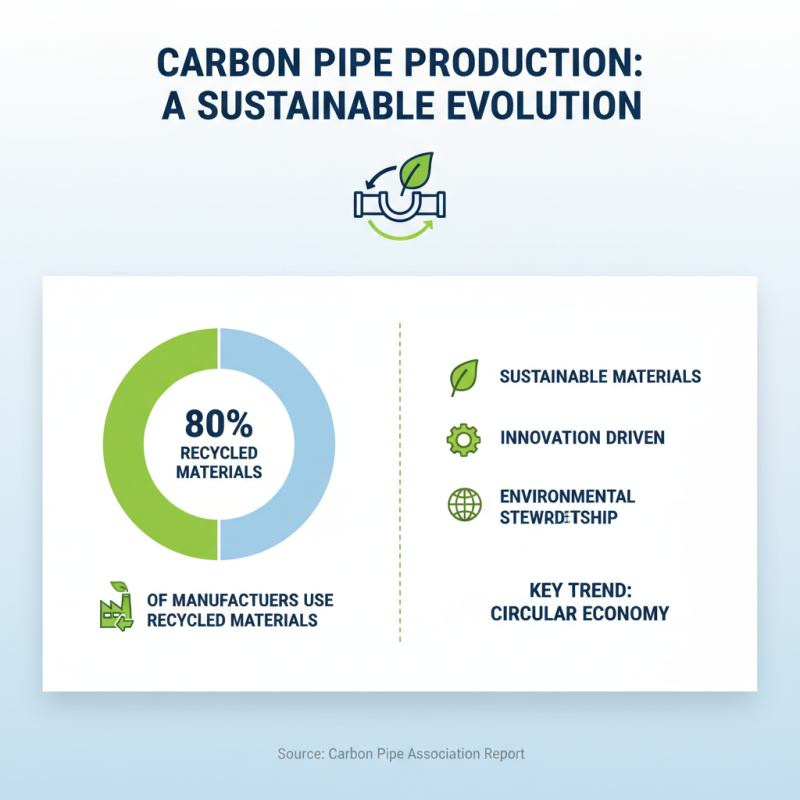
Another trend is the increased focus on sustainability. Manufacturers are exploring eco-friendly production methods. Recycled carbon materials are being utilized more frequently. This not only reduces waste but also lowers costs. However, challenges remain. Ensuring the performance of recycled materials is still a concern.
Tips: Always ask suppliers about the source of materials. Understanding the production process can help make informed choices.
Advanced coating technologies are also emerging. These coatings offer enhanced corrosion resistance. They extend the lifespan of carbon pipes, reducing maintenance costs. Yet, the effectiveness of these coatings varies. Regular testing is necessary to guarantee reliability.
Tips: Implement routine inspections. This can help spot issues early and maintain efficiency.
Advanced Manufacturing Techniques for Enhanced Carbon Pipe Durability
The carbon pipe industry is evolving rapidly. New manufacturing techniques are enhancing the durability and performance of these essential materials. Advanced methods focus on improving the properties of carbon pipes while ensuring sustainability. According to a recent report from the Global Carbon Pipe Council, incorporating advanced composites can increase pipe life by up to 30%. This means fewer replacements and lower maintenance costs.
Innovations like additive manufacturing are changing production. This technique allows for complex designs, reducing material waste. However, challenges remain in balancing cost and performance. Some manufacturers struggle with scaling these innovations for mass production. They must find ways to keep costs competitive while boosting product quality.
Tips: Always consider why certain materials fail under pressure. Understand the surroundings where carbon pipes will be used. Focus on both strength and flexibility. The right combination could save money in the long run and reduce environmental impact. Emphasizing a thoughtful approach leads to better industry standards and practices.
2026 Top Carbon Pipe Trends and Innovations for Industry
The following chart illustrates the projected trends in carbon pipe innovations and advanced manufacturing techniques for enhanced durability in 2026. The data reflects the anticipated adoption rates of various advanced technologies used in carbon pipe manufacturing.
Market Trends: Demand and Supply Dynamics in the Carbon Pipe Sector
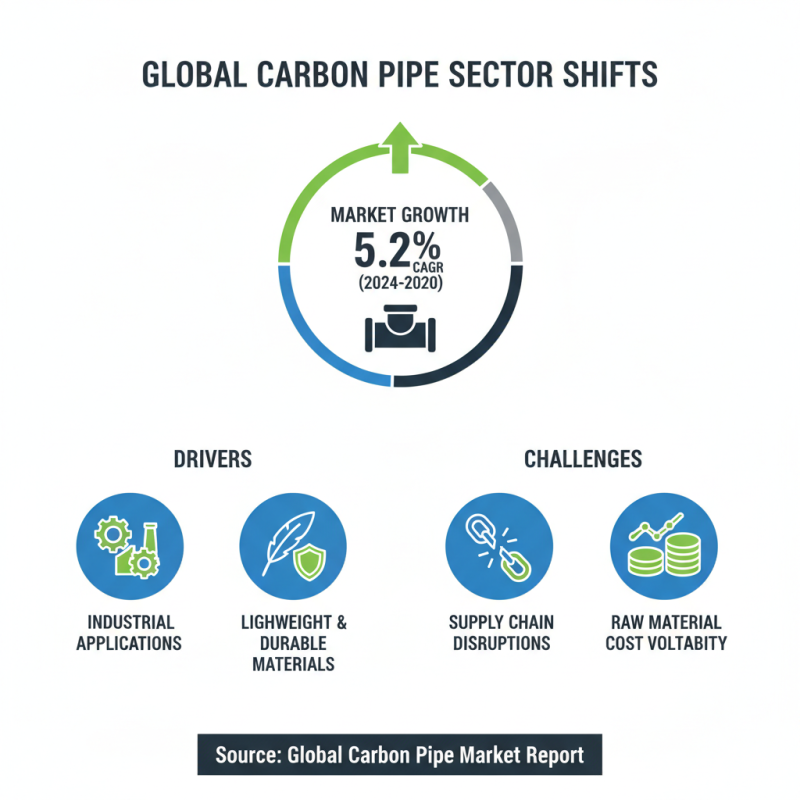
The carbon pipe sector is witnessing significant shifts in demand and supply dynamics. Recent data from the Global Carbon Pipe Market Report indicates that the market is expected to grow at a CAGR of 5.2% from 2024 to 2030. This growth is driven by increasing industrial applications and the need for lightweight, durable materials. However, challenges persist, including supply chain disruptions and fluctuating raw material costs.
A recent study shows that 68% of manufacturers report difficulties in sourcing high-quality carbon materials. This has led to concerns about production delays. Regional disparities in availability complicate the situation further. For instance, 42% of North American firms struggle to meet their output targets. In contrast, Asian suppliers have gained an advantage due to lower production costs. This imbalance creates pressure on companies to reevaluate their sourcing strategies and adapt to evolving market conditions.
The demand for sustainable practices is altering the landscape as well. Companies must consider eco-friendly alternatives without sacrificing performance. Reports indicate that 55% of the industry is exploring new materials that reduce carbon footprints. Innovations in production processes are also crucial to meeting these demands. Supply chain diversification emerges as a key strategy to mitigate risks. Yet, companies often find it challenging to implement these changes efficiently.
Applications of Carbon Pipes Across Various Industrial Sectors in 2026
Carbon pipes are gaining traction in various industrial sectors. Their lightweight and high strength make them ideal for applications in aerospace, automotive, and chemical industries. In 2026, a report from the Global Carbon Pipe Association projected a 25% increase in industrial applications compared to 2023. This indicates a growing reliance on carbon pipes for efficiency and durability.
In the aerospace sector, carbon pipes reduce weight, enhancing fuel efficiency. A recent study highlighted that lighter components can improve fuel economy by up to 15%. The automotive industry follows suit, utilizing carbon pipes in electric vehicles. These pipes help in reducing overall vehicle weight, supporting greener technology.
Chemical plants also benefit from these innovations. Carbon pipes resist corrosion, providing longer service life. However, the installation costs can be significant, leading to budget concerns. Companies must balance initial costs with long-term savings. As industries embrace carbon pipes, they face challenges in adapting their operations. Continued research is necessary to address material limitations and ensure widespread adoption.